Introduction
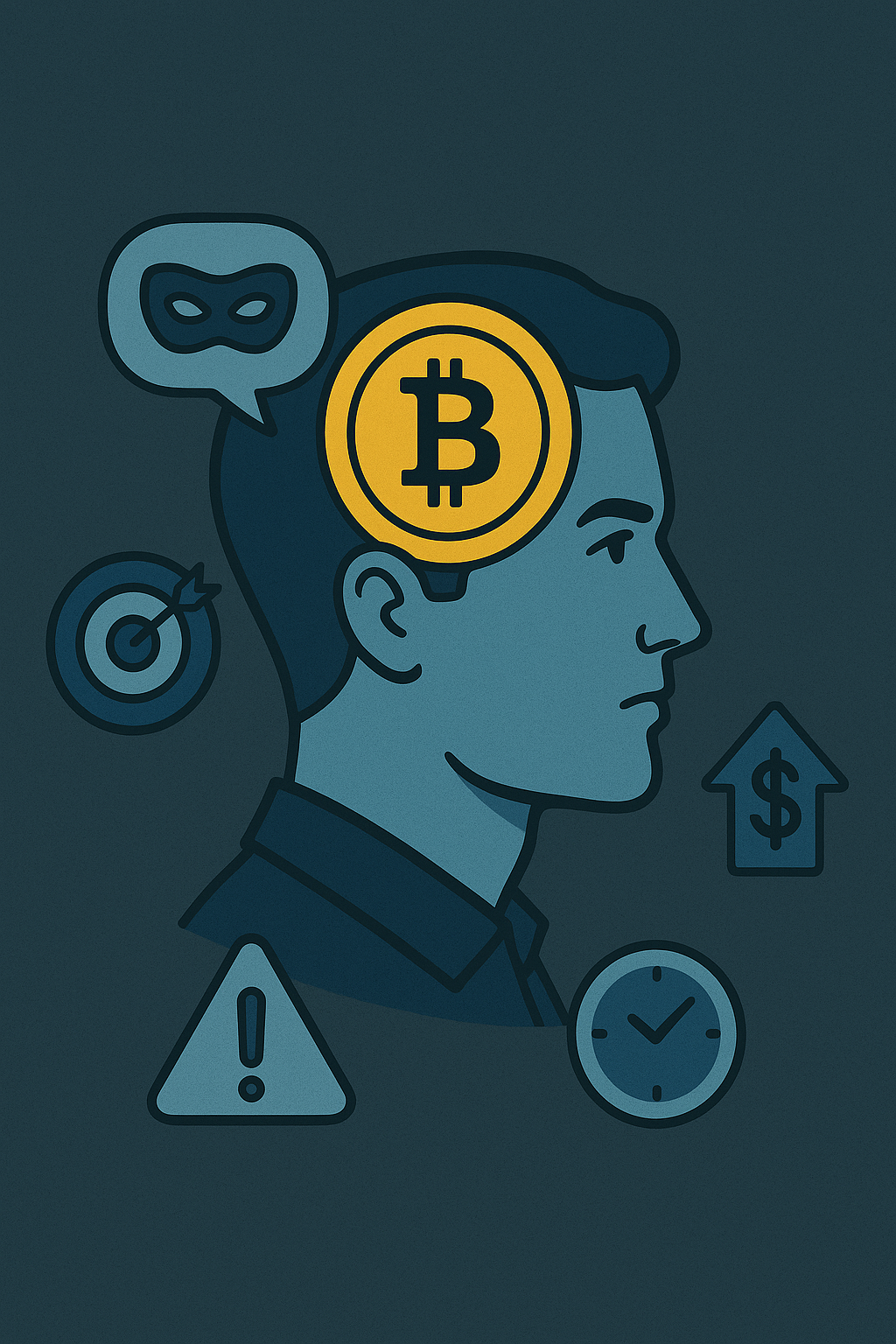
Crypto investment scams have surged in recent years as fraudsters exploit fast-growing digital currencies and the market’s weak regulation. Investors often feel betrayal, loss, and confusion over protecting their assets. This article uncovers the psychological mechanisms exploited by crypto scammers—detailing cognitive biases, emotional triggers, and social engineering tactics—and offers strategies to fortify one’s mindset against these fraudulent schemes. By understanding how human psychology and scam operations intertwine, investors can learn to recognize warning signs and report crypto scams, contributing to a safer investing environment.
The discussion below examines common biases such as FOMO and confirmation bias, outlines emotional vulnerabilities exploited by scammers, and is supported by case studies, analyses, and expert insights. Ultimately, readers will gain a concise view of how psychological manipulation is deployed in the crypto space, empowering better precautions and stronger regulatory advocacy.
Cognitive Biases Crypto Scammers Capitalize On
Crypto scammers exploit various cognitive biases that cloud judgment and prompt impulsive decisions. Investors often underestimate risks while overvaluing potential rewards, making them prime targets for deceptive schemes.
The Fear of Missing Out (FOMO) Driving Impulsive Crypto Scam Investments
FOMO, or the Fear of Missing Out, drives investors to act hastily without proper due diligence. Scammers create artificial urgency with limited-time offers, flashy social media updates, exaggerated testimonials, and countdown timers. This creates a powerful psychological lure; data in numerous cases shows that urgency and fear drive many investors to commit funds without adequate research. Real-world incidents, like the BitConnect collapse, illustrate how FOMO can magnify losses when initial small investments escalate into heavy financial exposures.
How Confirmation Bias Blinds Investors to Crypto Scam Warnings
Confirmation bias leads investors to seek information that supports their hopes for high returns while dismissing contradictory evidence. Scammers curate content—selectively presenting success stories and omitting red flags—to reinforce falsely optimistic views. This echo chamber effect reduces critical analysis, allowing fraudulent schemes to flourish since warnings from authorities or experts are easily dismissed when they conflict with investors’ beliefs.
Overconfidence Leading Experienced Traders Into Crypto Scam Traps
Many experienced traders fall prey to overconfidence. Believing they can detect scams, they often dismiss external advice or verification and trust slick presentations and technical jargon. Overconfident individuals may overestimate their knowledge by up to 50%, making them less inclined to perform due diligence. This self-assurance can blind them to subtle scam cues, which, when combined with sophisticated fraud tactics, can lead to substantial losses.
The Sunk Cost Fallacy Keeping Victims in Fraudulent Crypto Schemes
The sunk cost fallacy compels investors to continue investing in losing ventures to recoup earlier losses. In crypto scams, more funds are often added in a desperate bid to recover what was lost, even when red flags are evident. This fallacy not only deepens financial exposure by up to 35% in some cases but also delays recognition of the scam, trapping investors in a cycle of additional losses.
Authority Bias and Fake Endorsements in Crypto Scams
Authority bias makes investors overly trusting when they see endorsements from perceived experts or celebrities. Scammers exploit this by fabricating endorsements through doctored images or false regulatory claims. Surveys have shown that over half of scam victims were influenced by such fake endorsements, resulting in a dangerous illusion of trust that overshadows proper risk assessment.
Emotional Triggers Scammers Use to Manipulate Crypto Investors
Emotional triggers play an essential role in bypassing rational decision-making. Scammers manipulate feelings such as greed, fear, and the desire for security to override logical assessments.
Greed and the Lure of Unrealistic Returns in Crypto Scams
Scammers prey on greed by promoting promises of extremely high, guaranteed returns. This message appeals to the innate desire for wealth and financial freedom. The lure of rapid wealth can prompt investors to abandon research and commit funds impulsively. Testimonials and persuasive graphics support these false claims, and while studies suggest such promises increase scam investment likelihood substantially, they often leave investors vulnerable to significant losses.
Creating Artificial Urgency and Scarcity in Crypto Offerings
Artificial urgency is created by claiming limited availability or imminent price surges. Tactics such as countdown timers and exclusive bonuses push investors to act quickly without proper evaluation. This psychological pressure minimizes critical thinking and increases the risk of rapid, ill-advised investments, often doubling the chance of falling for the scam.
Exploiting Trust and Building False Rapport in Crypto Scams
Scammers deliberately build false rapport through friendly, personalized communication and fake customer service interactions. By simulating legitimacy on social media and crypto platforms, they create an environment of trust that encourages investors to share sensitive information. Once trust is established, this false relationship makes it far easier for scammers to extract funds without resistance.
How Fear Tactics Pressure Investors Into Crypto Scam Compliance
Fear is leveraged by highlighting potential market crashes, regulatory crackdowns, or imminent cyber threats. This tactic compels investors to transfer funds or lock in investments quickly, often bypassing careful verification. Manipulated news stories and alarmist posts amplify this fear, reducing investors’ capacity for risk evaluation by up to 35%, and coercing them into actions that favor scam completion.
Appealing to Aspirations and Dreams of Financial Freedom
Scammers capitalize on the universal aspiration for financial freedom by crafting narratives of wealth, independence, and success. The promise of turning small investments into life-changing fortunes can be highly seductive, especially during economic hardships. These narratives often overshadow realistic risk assessments, leading investors to make impulsive decisions based on the dream of rapid financial emancipation.
Social Engineering Tactics Common in Cryptocurrency Scams
Social engineering involves manipulating human behavior for fraudulent gain. In the crypto space, scammers use online communication and trust networks to bypass rational defenses.
Phishing Schemes Designed to Steal Crypto Assets
Phishing attacks involve deceptive emails and fake websites mimicking legitimate crypto services to steal personal credentials and wallet keys. These mass-distributed phishing schemes employ urgent language to pressure recipients into revealing sensitive data. With phishing accounting for a significant share of crypto scams, awareness and education on recognizing such attempts are crucial for asset protection.
Impersonating Legitimate Entities or Influencers in the Crypto Space
Impersonation is another common tactic where scammers mimic reputable companies, influencers, or regulatory bodies. By using professional-looking websites and matching email domains, they exploit investors’ existing trust. Fake profiles and endorsements diminish skepticism, making even cautious investors more likely to share personal information or invest funds based on unverified endorsements.
Building Fake Online Communities to Foster False Social Proof
Scammers create fake online communities—using bogus social media profiles, forums, and chat groups—to simulate broad support and legitimacy for a crypto project. Displaying fabricated success stories and manipulated engagement numbers, these communities serve as false social proof. This tactic exploits herd behavior, luring new investors into a cycle where the appearance of popularity overrides careful scrutiny.
The Mechanics of Pig Butchering Scams and Emotional Manipulation
Pig butchering scams represent a particularly insidious approach where scammers build a long-term relationship with a victim through repeated interactions. Over time, they encourage progressively larger investments until a critical point is reached. At that moment, access to funds is abruptly withdrawn, leaving the victim with devastating losses—often exceeding 90% of the invested amount. This scam combines gradual emotional manipulation with technical deceit, making recovery extremely difficult.
Using Deepfakes and AI to Enhance Crypto Scam Believability
Advances in deepfake technology and AI have enabled scammers to produce realistic video endorsements, simulated interviews, and live streams that appear to feature genuine crypto experts. These techniques significantly enhance scam credibility, as the sophisticated digital forgeries can lower investor skepticism and lead to rapid financial losses. The ease of disseminating such content online underscores the need for increased technological literacy among investors.
The Allure of Quick Riches and Its Psychological Impact on Crypto Investors
The promise of rapid wealth is a longstanding lure in the crypto market. Scammers exploit this by creating attractive offers that seem to guarantee high returns, overshadowing inherent risks.
Why Promises of High, Guaranteed Returns Attract Crypto Scam Victims
High, guaranteed returns are a central promise in many crypto scams. Such claims tap into the desire for financial security and quick success by presenting a simplified narrative of turning small investments into large fortunes. Elaborate graphics, complex charts, and pseudo-technical explanations add an aura of legitimacy. While the promise of instant wealth can entice many, the reality is that these claims often end in significant financial loss when the underlying scams collapse.
The Role of Market Volatility in Heightening Crypto Scam Vulnerability
Market volatility increases investor anxiety, leading some to seek refuge in what appears to be a stable or high-return investment. Scammers exploit these uncertain conditions by positioning their fraudulent schemes as safe havens amidst turbulent market swings. During volatile periods, when investors are keen to protect or quickly grow their assets, exaggerated claims of stability and high returns can appear particularly attractive—even when they deviate significantly from reality.
How Scammers Create Illusions of Exclusivity and Insider Knowledge
Scammers further entice investors by creating an illusion of exclusivity. They imply that certain investment opportunities are available only to a select few and use closed groups, invitation-only webinars, and premium digital interfaces to add weight to their claims. This manufactured exclusivity makes investors feel they are gaining privileged, insider information—urging them to invest quickly and without sufficient due diligence.
The Impact of Peer Pressure and Herd Mentality in Crypto Investment Scams
Investors are highly influenced by the actions and opinions of their peers. When many others appear to endorse or invest in a particular crypto scheme, social proof can override personal caution. Peer pressure and herd mentality double the likelihood of someone investing in a scam, as the visible support from others creates a false sense of safety and legitimacy despite underlying risks.
Financial Desperation as a Motivator for Falling Into Crypto Scams
In times of economic hardship, the allure of high returns becomes even stronger. Financial desperation can cloud judgment, making the possibility of a miraculous financial turnaround seem worth the risk. Scammers exploit this vulnerability by tailoring their messages to promise rapid financial relief, often supported by fabricated testimonials of dramatic recoveries. This combination of financial pressure and the seductive promise of quick wealth often leads to poor decision-making and significant losses.
Understanding Common Crypto Scams and Their Psychological Hooks
Recognizing various crypto scams and the psychological tricks they use is critical for protection and prompt reporting of fraudulent activities.
Pump-and-Dump Schemes Exploiting FOMO and Market Manipulation
Pump-and-dump schemes inflate a cryptocurrency’s price through coordinated buying (“pump”) and then trigger a rapid sell-off (“dump”), leaving late entrants with steep losses. These schemes exploit FOMO by creating artificial price surges through social media hype and misleading information. Once prices peak, insiders quickly exit, causing drastic devaluations that leave uninformed investors with depreciated assets.
Ponzi and Pyramid Schemes Relying on New Investor Money
Ponzi and pyramid schemes depend on a continuous influx of new investments to pay earlier returns. These models promise high returns with little risk initially, luring investors into a cycle of reinvestment bolstered by overconfidence and the sunk cost fallacy. When new funds dry up, the system collapses, causing catastrophic losses for many participants.
Fake Initial Coin Offerings (ICOs) and Deceptive Promises
In fake ICO scams, fraudsters design elaborate projects complete with whitepapers and professional websites to attract investors. They exploit trust by presenting what appears to be a credible business opportunity, only to vanish once significant funds have been collected. The absence of a clear development roadmap or realistic financial model eventually exposes the scheme, leaving investors with worthless tokens.
Romance Scams Combining Emotional and Financial Exploitation in Crypto
Romance scams in the crypto realm involve scammers establishing what seems like a genuine online relationship before transitioning to financial exploitation. Once emotional bonds are formed, victims are persuaded to invest in bogus crypto ventures or to transfer funds directly. These scams not only result in financial losses but also cause deep emotional distress and long-term trauma.
Rug Pulls and the Betrayal of Trust in DeFi Projects
Rug pulls occur when crypto developers suddenly withdraw liquidity from a project, leaving investors with tokens that quickly lose value. This scam exploits the trust that investors place in decentralized finance (DeFi) platforms, especially when regulatory oversight is minimal. The speed at which rug pulls occur often leaves little time for intervention, resulting in severe financial damage.
Fortifying Your Mindset Against Crypto Scam Manipulation
Developing a resilient mindset through technical safeguards and disciplined analysis is essential for resisting crypto scams.
Developing Healthy Skepticism Towards “Too Good to Be True” Crypto Offers
A healthy skepticism is your first line of defense against overly attractive offers. Investors are advised to question exceptionally high returns and verify claims through independent research. By cross-referencing sources and remaining wary of unsolicited offers, one can reduce the likelihood of falling prey to scams that promise unrealistic gains.
The Importance of Independent Research Before Investing in Crypto
Relying solely on social media tips or word-of-mouth increases the risk of falling victim to scams. Comprehensive independent research—including analysis of whitepapers, evaluation of team credentials, and consultation of reputable financial news sources—is vital. Such due diligence helps build a barrier against deceptive offers and prevents substantial losses.
Recognizing and Managing Emotional Responses to Crypto Investment Opportunities
Investors must identify when emotions begin to override rational decision-making. Techniques such as mindfulness, journaling, and taking a cooling-off period of 24 hours before finalizing investments can prevent impulsive decisions. By recognizing emotional triggers early, investors can reevaluate proposals with a clear, objective mindset.
Verifying Information and Seeking Unbiased Crypto Advice
Cross-check every claim using multiple trusted sources such as regulatory bodies and leading market data providers. Obtaining unbiased advice from financial consultants and consulting reputable user reviews further reduces the risk of relying on manipulated data. Rigorous verification ensures that decisions are grounded in solid, verifiable evidence.
Learning From Past Crypto Scams to Identify Future Red Flags
Studying historical scam patterns—such as exaggerated return claims, lack of transparency, and heavy reliance on insider endorsements—can provide vital warning signals. Familiarity with past failed schemes, like BitConnect or other notorious ICO collapses, prepares investors to recognize similar red flags in future opportunities, enabling timely intervention.
Table: Comparison of Psychological and Emotional Factors in Crypto Scams
Before exploring further defensive measures, the table below summarizes key psychological triggers and their impacts on investor behavior:
| Psychological/Emotional Factor | Primary Mechanism | Impact on Investor Behavior | Typical Scam Tactic |
|---|---|---|---|
| FOMO | Urgency and scarcity | Increases impulsive decision-making by up to 40% | Flash sales, limited-time offers |
| Confirmation Bias | Seeking supporting data | Reduces skepticism and critical analysis by 30% | Selective testimonials, forged endorsements |
| Overconfidence | Overestimation of ability | Leads to underestimating risks and overcommitting funds | Complex analytical jargon masking flaws |
| Sunk Cost Fallacy | Reluctance to abandon investments | Traps investors into reinvesting, increasing losses by up to 35% | Incremental investment requests |
| Authority Bias | Trust in perceived experts | Lowers scrutiny by 55% | Fake endorsements, doctored profiles |
| Greed | Desire for rapid wealth | Drives risky investments with high loss potential | Promises of guaranteed high returns |
| Artificial Urgency | Manipulated time pressure | Compels hurried decisions, doubling risk exposure | Countdown timers, exclusive offers |
The table demonstrates that understanding these triggers can empower investors to make rational, informed decisions. Combining this insight with robust defensive strategies substantially reduces the risk of falling victim to crypto scams.

Frequently Asked Questions
Q: What are the most common cognitive biases that crypto scammers exploit? A: Scammers exploit biases such as FOMO, confirmation bias, overconfidence, and the sunk cost fallacy, all of which encourage impulsive decisions and reduce critical analysis.
Q: How can I recognize a pump-and-dump scheme in the crypto market? A: Look for sudden, dramatic price increases paired with aggressive marketing. These schemes usually peak quickly, followed by a sharp price decline once insiders sell off their holdings.
Q: What steps can I take to verify the legitimacy of a crypto investment opportunity? A: Conduct thorough, independent research by reviewing whitepapers, team credentials, and cross-referencing with reputable news sources and regulators. Avoid relying solely on social media endorsements.
Q: Why is emotional control important in crypto investing? A: High emotions like greed and fear can override rational decision-making. Taking time to assess investments and seeking objective advice can help mitigate the risk of falling for scams.
Q: How do deepfake technologies increase the risk of crypto scams? A: Deepfakes create highly realistic video endorsements and influencer impersonations that can lower investor skepticism, making fraudulent schemes appear authentic.
Q: What is a rug pull, and why is it particularly dangerous in DeFi projects? A: A rug pull occurs when developers suddenly withdraw funds from a project, leaving investors with worthless tokens. The rapid execution and lack of oversight often result in immediate, substantial losses.
Q: How can past crypto scams help prevent future frauds? A: Studying past scams helps identify red flags such as unrealistic return claims and hidden risks, enabling investors to act with greater caution and report potential fraud early.
Q: How Crypto Scams Work?
A:Cryptocurrency scams have become increasingly prevalent as digital currencies gain mainstream attention and popularity. These scams typically exploit the allure of quick profits and the perceived anonymity of blockchain technology to deceive unsuspecting investors. One common method involves phishing, where scammers create authentic-looking websites or communication to trick users into revealing their private keys or login credentials. For example, an individual may receive an email purporting to be from a legitimate cryptocurrency exchange, asking them to verify their account details through a provided link. Once the user submits their information, the scammer gains access to their funds, often leading to irretrievable losses.
Another prevalent form of fraud within the cryptocurrency space is the Ponzi scheme. Scammers promise exorbitant returns on investments and use the capital from new investors to pay off earlier ones, creating an illusion of a successful venture. This deceptive practice relies on the continuous influx of funds to sustain itself, and once it becomes unsustainable—often when a large number of investors attempt to withdraw their money—the scheme collapses, leaving many with significant financial losses. Moreover, social media platforms and online communities have been fertile grounds for scam operations, where fraudulent tokens or projects can quickly gain traction through hype and manipulation. By understanding these tactics, individuals can better protect themselves from falling victim to the myriad of scams that continue to plague the cryptocurrency landscape.
Q: What is Crypto Scams?
A:Cryptocurrency scams are deceptive schemes that exploit the burgeoning interest in digital currencies to defraud unsuspecting investors. These scams often take various forms, including phishing attacks, Ponzi schemes, fraudulent Initial Coin Offerings (ICOs), and fake exchanges. In a landscape where anonymity and decentralization are inherent features, fraudsters can easily create convincing imitations of legitimate platforms and services. Victims may be lured by promises of extraordinary returns on investments, rushed demands for quick action, or fake endorsements from influential figures, making it crucial for potential investors to perform due diligence before committing funds.
The consequences of cryptocurrency scams can be devastating, leading to significant financial losses and eroded trust within the broader market. As the popularity of cryptocurrencies continues to grow, so does the sophistication of these scams. Many efforts have been made to educate the public about the red flags associated with scams—such as offers that seem too good to be true, lack of transparency, and pressure tactics. It is imperative for individuals to remain vigilant, staying informed on the latest scams and protective measures to safeguard their investments. By promoting a culture of awareness and caution, both seasoned investors and newcomers to the crypto space can better navigate the intricate environment of digital currencies while minimizing their risk of falling victim to scams.
Q: How to Avoid Crypto Scams?
A:In the rapidly evolving world of cryptocurrency, avoiding scams has become a crucial concern for both novice and seasoned investors. To protect themselves, individuals must familiarize themselves with common red flags and implement proactive strategies. One of the primary ways to steer clear of scams is by conducting thorough research before making any investment. This includes verifying the legitimacy of trading platforms, wallets, and projects by checking for reviews, reading whitepapers, and assessing the transparency of the team behind the initiative. Legitimate companies typically provide clear information about their operations and regulatory compliance, whereas suspicious ones may lack identifiable details or provide vague explanations.
Another critical strategy is to be wary of deals that appear too good to be true. Promises of guaranteed returns, exceptionally high interest rates, or quick wealth accumulation often signal fraudulent schemes. Investors should exercise caution, especially if pressured to make hasty decisions or provided with unsolicited advice. Furthermore, utilizing reputable and secure exchanges for transactions, along with adopting strong security practices such as two-factor authentication and unique passwords, can significantly reduce the risk of falling victim to scams. By staying informed, remaining skeptical of outrageous claims, and prioritizing security, individuals can navigate the crypto landscape with greater confidence and minimize their exposure to potential threats.
Q: Who to Report Crypto Scams to?
A:In the rapidly evolving world of cryptocurrency, the rise of scams and fraudulent activities has become a pressing concern for investors and users alike. When individuals find themselves victims of such malicious schemes, knowing where to report these incidents is crucial for both personal recovery and broader efforts to combat fraud. The first line of defense is usually local law enforcement agencies, which can help victims file a police report. This approach not only aids in documenting the crime but also enables authorities to track patterns and inform the public about emerging scams.
In addition to local authorities, various national and international organizations focus specifically on cybercrime and financial fraud. In the United States, for example, the Federal Trade Commission (FTC) accepts reports of deceptive practices related to cryptocurrency, while the Internet Crime Complaint Center (IC3) provides a platform to report internet-related crimes. In the UK, Action Fraud serves as the national reporting center for fraud, including cryptocurrency scams. Moreover, victims can also alert cryptocurrency exchanges or platforms involved, as these entities often have dedicated teams to investigate potential fraud and may take actions to suspend fraudulent accounts. Ultimately, reporting scams not only helps individuals potentially recover lost funds but also contributes to the collective effort to safeguard the cryptocurrency space for others.
Q: How to Spot Crypto Scams?
A:Spotting crypto scams requires a keen eye and a thorough understanding of the warning signs that often accompany fraudulent schemes. One of the most prevalent types of scams is the promise of extraordinary returns with minimal risk. Victims are often lured by advertisements or social media posts touting “guaranteed” profits, which is a significant red flag. Legitimate investment opportunities entail risks, and any promise that suggests otherwise should be approached with skepticism. Furthermore, potential investors should be wary if the communication channels used tend to lack professionalism; for instance, unsolicited messages from unknown sources or poorly designed websites can often indicate a scam.
Another critical method for identifying potential crypto scams is to scrutinize the project’s whitepaper or underlying technology. A reputable cryptocurrency will usually have a well-documented whitepaper that clearly outlines its mission, technology, and use cases. Scams, on the other hand, may feature vague descriptions or overly complex jargon designed to confuse or impress rather than inform. Individuals should also conduct thorough research on the team behind a project; a lack of transparency regarding the developers or absence of their professional background could be warning signs. Additionally, checking for real user reviews or complaints can provide insights into the legitimacy of the operation. By remaining vigilant and informed, investors can better protect themselves from the myriad of scams prevalent in the ever-evolving crypto landscape.
Q: How Common are Crypto Scams?
A: Crypto scams have emerged as a significant concern in the rapidly evolving landscape of digital currencies. With the increasing popularity of cryptocurrencies, the number of fraudulent activities has likewise surged. According to various reports, a considerable percentage of individuals who invest in cryptocurrencies have encountered some form of scam or fraud. From phishing schemes that deceptively represent legitimate platforms to Ponzi and pump-and-dump schemes, the tactics employed by scammers are continuously evolving, targeting both seasoned investors and novices alike. Research indicates that billions of dollars have been lost to crypto scams annually, making it critical for potential investors to maintain vigilance in this high-risk domain.
The prevalence of these scams can largely be attributed to the relatively unregulated nature of the cryptocurrency market, which often leaves investors susceptible to deception. As individuals flock to platforms offering high returns with minimal effort, they may overlook warning signs and fall prey to false promises. Additionally, the anonymity and decentralized nature of cryptocurrencies can further entrench the problem, making it challenging for authorities to track down and prosecute scammers. This environment underscores the importance of comprehensive education and awareness among users to help them navigate the complexities of the crypto world while safeguarding their investments from deceitful practices.
Final Thoughts
The interplay between cognitive biases and emotional manipulation forms the backbone of crypto scams, leaving even seasoned investors exposed to significant risks. By understanding how scammers leverage psychological triggers and social engineering tactics, investors can adopt stronger, more skeptical approaches to evaluating crypto opportunities. Through independent research, verification, and an awareness of past scam patterns, it is possible to safeguard assets and contribute to a more transparent crypto market.
Ultimately, fostering a culture of skepticism and continuous learning is crucial for navigating the volatile landscape of digital currencies, ensuring that decisions are driven by sound analysis rather than manipulated emotions. Staying informed about common tactics—from FOMO and confirmation bias to deepfakes and phishing—empowers investors to make better, more secure choices while mitigating the risks posed by fraud in the

If you have been impacted by crypto fraud, contact Digital Defenders Group for assistance.
No responses yet