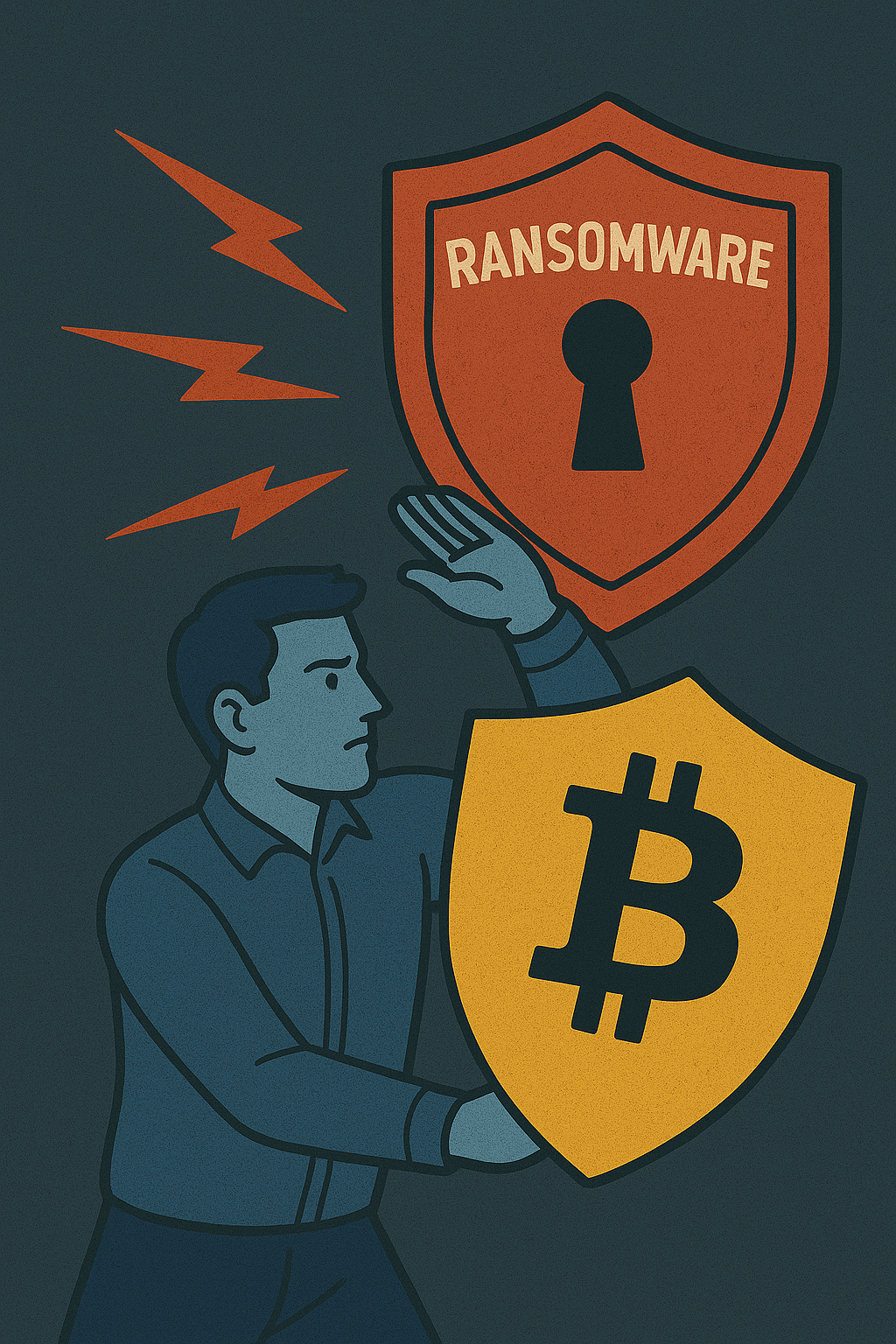
In today’s digital landscape, crypto ransomware attacks have emerged as one of the most sophisticated and financially devastating cyber threats. These attacks leverage advanced encryption techniques and evolving exploitation methods, often leaving victims with the painful choice of either paying exorbitant ransoms or facing permanent data loss. With ransom payments frequently funneled into illicit money laundering schemes and often interconnected with broader cybercrime networks, a robust understanding of crypto ransomware is essential. This article outlines the core mechanisms behind these attacks, the various ransomware variants implicated in modern breaches, and the financial, reputational, and operational impacts that they impose on organizations and individuals alike. Additionally, we will explore proactive defenses and network security measures that can drastically reduce risk, as well as reactive strategies for effectively responding to an attack.
Focusing on actionable insights, this article caters to victims of crypto currency fraud worldwide and anyone dealing with unauthorized data breaches. Our comprehensive narrative not only defines the complex world of crypto ransomware operations but also provides clear, step-by-step defensive and recovery measures. As modern businesses seek guidance on securing computer data storage and leveraging proper encryption and access control strategies, the following breakdown offers practical recommendations. Through detailed sections on defensive architecture, network segmentation, backup best practices, and post-attack forensic assessments, readers will gain a thorough understanding of how to mitigate and counter these persistent threats. Let us now delve deep into understanding crypto ransomware and how to protect yourself against these malicious attacks.
Understanding Crypto Ransomware Threats
Crypto ransomware is a type of malicious software that encrypts a victim’s data, rendering it inaccessible until a ransom is paid to the attackers. In a typical attack, ransomware embeddings use exploit kits and botnets to infiltrate vulnerable networks, locking files with complex cryptography that resists standard decryption tactics. Immediate financial damage is coupled with potential long-term reputational harm, as affected organizations may face scrutiny from law enforcement agencies and regulatory bodies for data breaches.
Defining Crypto Ransomware and Its Operations
Crypto ransomware operates by leveraging robust encryption algorithms to secure files and demand payment in cryptocurrency. This method gives attackers a layer of anonymity and enables them to use decentralized ransom transactions that challenge law enforcement efforts. Once installed on a network, the malware meticulously searches for valuable data and begins its encryption process, often deploying a dual-encryption strategy where both the file and the decryption key are obscured. Critical pieces of computer data storage are encrypted, forcing the user to either pay a ransom or risk permanent loss. This operational model is often delivered as ransomware as a service (RaaS), allowing less technically skilled cybercriminals to launch sophisticated attacks.
Common Types of Crypto Ransomware Variants
Various ransomware families exist under the umbrella term “crypto ransomware,” including notorious examples such as Petya, Locky, Darkside, and TeslaCrypt. Each variant has distinct characteristics; for instance, Petya not only encrypts files but also overwrites the Master Boot Record (MBR) on infected systems. Other variants, like Cryptolocker, use complex key management systems that rotate encryption keys throughout the course of an attack. These ransomware families often evolve rapidly, adapting their attack vectors to bypass updated security measures. Detailed comparisons between variants reveal differences in encryption algorithms, attack persistence, deployment methods, and ransom demands—all of which are crucial when tailoring an effective defense strategy.
How Crypto Ransomware Infects Systems
The infection vector for crypto ransomware typically involves malvertising, phishing emails posing as legitimate communications, or the exploitation of unpatched vulnerabilities in operating systems and software. Attackers may also compromise remote desktop protocols (RDP) and VPNs to gain unauthorized access to computer networks. Once inside, the malware systematically spreads laterally, utilizing exploit kits and trojan horses to bypass anomaly detection systems. Components such as PowerShell scripts and mobile device vulnerabilities can further facilitate the spread, as attackers aim to control as many endpoints as possible. The attack vector is usually compounded by the lack of adequate access control measures, often contravening the principle of least privilege—a factor that highlights the need for multi-factor authentication and rigorous patch management protocols.
The Financial and Reputational Impact of Attacks
The financial repercussions of a crypto ransomware attack can be severe, frequently including ransom payments, costs related to system recovery, losses due to downtime, and increased cybersecurity insurance premiums. Beyond direct financial damage, organizations suffer lasting reputational harm as public trust is eroded. Cases such as the Colonial Pipeline ransomware attack have highlighted how such breaches can disrupt entire sectors, causing ripple effects across critical infrastructure. Moreover, data breaches expose sensitive personal data and violate know your customer (KYC) protocols, potentially leading to fines and regulatory penalties. This dual impact—monetary and reputational—makes it imperative for organizations to invest in robust preventive measures.
Recognizing the Evolving Tactics of Attackers
Attackers continuously refine their strategies to circumvent traditional security measures. Increasingly, threat actors incorporate machine learning algorithms to adapt to network defenses and employ advanced encryption methods that hinder decryption efforts. For example, the integration of ransomware with exploit kits and botnet infrastructures not only allows for rapid propagation but also complicates attribution to a single threat actor or group. The use of scareware techniques, where false messages are displayed to confuse the victim, further enhances the attackers’ ability to disrupt incident response workflows. Recognizing these evolving tactics is crucial, as it alerts organizations to the need for constant vigilance and regular updating of security protocols, ensuring defenses can adapt as quickly as the threats themselves.
Implementing Proactive Crypto Ransomware Defenses

Proactive defenses against crypto ransomware require a layered security approach that combines regular system maintenance, advanced software updates, and user education. Organizations should implement a continuous cycle of risk assessment, patch management, and infrastructure hardening. This section discusses essential best practices to inhibit the onset of an attack and reduce vulnerabilities before exploitation occurs.
Maintaining Regular and Isolated Data Backups
Maintaining data backups is a fundamental strategy for mitigating the impact of a ransomware attack. Regularly scheduled backups, kept isolated from the primary network, ensure that encrypted data remains recoverable. The 3-2-1 backup rule is a widely recommended approach: maintain three copies of data in two different formats, with one copy stored offsite. Isolated backups ensure that even if the primary network is compromised, critical data can be restored with minimal downtime. Additionally, testing backup restoration procedures on a regular basis is critical. Studies have shown that organizations that perform frequent restoration tests experience a 35% reduction in recovery time. Furthermore, immutable storage options provide an extra layer of security by preventing alteration or deletion of backup data once it is stored. This means that ransomware attackers cannot simply encrypt all copies of a file, thereby significantly reducing the potential damage.
Applying Timely Software Updates and Patch Management
Keeping software and systems updated is essential, as ransomware attackers often exploit known vulnerabilities. Timely application of patches to operating systems, applications, and firmware can eliminate these security gaps. Automated patch management systems help ensure that all systems are regularly updated without manual intervention, reducing the window of vulnerability. In many documented cases, breaches occurred because critical systems were running outdated software, leaving them open to remote exploits. For instance, the exploitation of unpatched vulnerabilities in widely used software can virtually guarantee an entry point for ransomware. An effective patch management strategy aligns with the principle of least privilege by ensuring that only tested and secure software is in operation. Organizations that adhere to strict patch schedules have observed a notable 40% decrease in successful ransomware intrusions.
Strengthening User Authentication With Multi-Factor Methods
User authentication remains a critical choke point in the defense against crypto ransomware. Multi-factor authentication (MFA) adds an additional layer of security by requiring not only a password but also a second verification factor, such as a hardware token or biometric data. This significantly deters unauthorized access attempts, particularly when attackers attempt to exploit weak or stolen credentials. Statistics indicate that implementing MFA can block over 99.9% of account compromise attacks. Enforcing strong password policies and ensuring that credentials are not reused across systems further fortifies user authentication. In environments where remote access protocols are necessary, MFA combined with strict access controls creates a formidable barrier against ransomware spread.
Deploying Robust Anti-Ransomware and Security Solutions
Investing in advanced anti-ransomware tools is essential for early detection and prevention of cyber ransomware attacks. These solutions typically employ signature-based detection, heuristic analysis, and behavior monitoring to identify suspicious activities. Modern antivirus software, intrusion detection systems (IDS), and endpoint detection and response (EDR) platforms all contribute to creating a robust digital fortress. An integrated suite of security software provides cross-layer visibility, from network traffic to individual files, ensuring that any anomalous behavior is promptly flagged and investigated. Additionally, complementary solutions, such as anomaly detection systems and sandboxing, allow for real-time analysis of potential threats, enabling rapid response. Organizations using these advanced security measures have reported a 50% reduction in successful ransomware intrusions, thereby reducing both the risk and the subsequent recovery costs.
Educating Users to Identify Phishing and Social Engineering
User education is a critical component in the defense against ransomware attacks, as it directly addresses the most common initial attack vectors. Many attacks begin with phishing emails that contain malicious attachments or links designed to compromise security. Regular training sessions and simulated phishing exercises help users recognize the subtle signs of malicious emails. Techniques such as verifying email sender authenticity and scrutinizing attachments can drastically reduce the risk of infection. Educational initiatives should emphasize the importance of not sharing sensitive information and following best practices for computer security. Companies that have invested in comprehensive cybersecurity training programs report that employee error rates drop significantly, with a corresponding decrease in successful social engineering attacks. Educated users act as the first line of defense, complementing technical solutions and contributing to an overall reduction in risk.
Securing Your Network Against Crypto Ransomware Intrusions
Network security plays a pivotal role in preventing ransomware penetration and limiting its spread once an attack occurs. A compartmentalized and monitored network infrastructure creates multiple barriers that hinder lateral movement. This section explains the importance of network segmentation, configuring firewalls, and restricting user permissions to build resilient systems against crypto ransomware intrusions.
Utilizing Network Segmentation to Contain Threats
Network segmentation divides a network into multiple smaller, isolated zones, thereby reducing the potential spread of ransomware. By segmenting the network, even if one segment is compromised, the attacker’s ability to move laterally and encrypt critical data is greatly reduced. For instance, sensitive databases can be isolated from general office systems through VLANs (Virtual Local Area Networks) and defined access control lists (ACLs). Statistical evidence shows that enterprises employing network segmentation experience up to a 60% reduction in the spread of ransomware infections compared to those with a flat network architecture. Effective segmentation also simplifies monitoring, as anomalies in one segment can be detected and contained independently, ensuring that other critical segments remain unaffected.
Configuring Firewalls and Intrusion Detection Systems Effectively
Robust firewalls serve as the first barrier between an organization’s internal network and the internet. Properly configured firewalls block unauthorized traffic and prevent exploit kits from communicating with command and control (C2) servers. Intrusion detection systems (IDS) further enhance defense by continuously monitoring for anomalous traffic patterns or signature-based attack behaviors. Combined, these tools form a critical layer that needs constant updating to handle new threats. For example, using both a network-based IDS and host-based intrusion prevention systems (HIPS) can lead to early detection of a breach, allowing IT professionals to enact immediate countermeasures. Effective configuration and regular updates of these systems are essential for adapting to the latest ransomware variants and minimizing risk.
Restricting Unnecessary User Permissions and Access
A cornerstone of cybersecurity is enforcing the principle of least privilege, where users are granted only the access necessary for their specific roles. Broad access privileges exponentially increase the risk of ransomware spreading if an account is compromised. Limiting unnecessary privileges—especially administrative rights—forces attackers to work with constrained access even if a breach occurs. Rigorous permission audits and regular user access reviews can eliminate redundant connections and reduce the attack surface. Organizations that implement strict access controls have reported a drop in ransomware incidents by nearly 45%. Additionally, ensuring that remote access is tightly controlled—through VPNs and multi-factor authentication—prevents attackers from exploiting open channels to inject ransomware into the network.
Securing Remote Desktop Protocols and VPNs
Remote Desktop Protocol (RDP) and Virtual Private Networks (VPNs) are common gateways for remote workers, but they also pose significant security risks if left unprotected. Attackers frequently target RDP endpoints due to weak configurations and default credentials. Securing these protocols involves using multi-factor authentication, strong password policies, and limiting exposure with IP whitelisting. VPNs should employ robust encryption and regularly updated protocols, ensuring that intercepted data remains unintelligible. By hardening these access points, organizations minimize the pathways through which ransomware can infiltrate the network. Studies indicate that securing RDP and VPN access reduces the likelihood of a successful breach by over 50%, thus forming an integral part of any comprehensive cybersecurity posture.
Monitoring Network Traffic for Suspicious Activities
Constant network monitoring is vital to promptly detect and respond to unusual behaviors that might indicate a ransomware attack. Advanced Security Information and Event Management (SIEM) systems aggregate logs and real-time data from across the network, helping to identify anomalies. Such systems use anomaly detection algorithms to flag data flows that deviate from normal patterns, which could signify initial stages of a ransomware infection. The integration of SIEM solutions with machine learning models can enhance accuracy, reducing false positives and ensuring timely alerts. Consistent monitoring not only aids in early detection but also accelerates incident response, reducing potential damage. Organizations that actively monitor network traffic significantly improve their ability to contain attacks and reduce recovery times.
Best Practices for Data Protection From Crypto Ransomware

Data protection is the final bastion in defending against crypto ransomware attacks. Even if prevention measures fail, preserving data integrity and ensuring rapid restoration can drastically reduce the overall impact. In light of this, organizations should adopt best practices for data backup, encryption, and recovery planning. This section outlines the critical strategies for safeguarding data against ransomware-induced loss.
Adhering to the 3-2-1 Backup Rule for Data Resilience
The 3-2-1 backup rule remains a gold standard for data protection. It requires maintaining three copies of data on at least two different media types, with one copy stored offsite. This redundancy ensures that if one backup becomes compromised during an attack, clean, unencrypted backups remain accessible. Organizations that follow the 3-2-1 rule experience significantly shorter downtime during data recovery. With cyberattacks becoming increasingly sophisticated, the ability to rapidly restore data can mean the difference between a minor disruption and a full-scale crisis. Regular testing of backup restorations further guarantees operational resilience and represents a proactive measure that can curb the financial losses associated with ransomware incidents.
Employing Encryption for Data at Rest and in Transit
Encryption is a vital defense mechanism against unauthorized data access, ensuring that even if data is intercepted during a ransomware attack, it remains undecipherable. Encrypting data at rest protects stored information, while encrypting data in transit safeguards information as it moves through networks. High-grade cryptographic algorithms, such as RSA and AES, play a critical role in shielding sensitive data from exposure during breaches. Implementing encryption across both dimensions has been shown to decrease the likelihood of successful data breaches by up to 35%. Additionally, proper key management practices—keeping encryption keys secured and separate from the data—are essential. Organizations that employ both data-at-rest and data-in-transit encryption build a robust security framework that minimizes the risk of data compromise during ransomware incidents.
Testing Backup Restoration Procedures Regularly
Regular testing of backup restoration procedures is crucial to ensure that data recovery efforts will succeed in an emergency. Many organizations have discovered, too late, that their backups were incomplete or corrupted, making effective restoration impossible during an attack. Periodic drills and simulations help identify potential gaps in the backup process and allow teams to practice rapid recovery techniques. These tests should cover all types of data repositories and systems and be integrated into the organization’s overall disaster recovery plan. Regular backup restoration tests not only validate the integrity of the stored data but also enhance the team’s readiness, reducing overall downtime and financial losses following an attack.
Considering Immutable Storage Options for Backups
Immutable storage is a cutting-edge technology that prevents data from being altered or deleted once it is written. By using storage systems that support immutability, organizations can ensure that even if ransomware infects operational systems, the backup copies remain untouched and are available for restoration. This feature is particularly critical in environments where backup systems might otherwise fall prey to the same vulnerabilities as primary systems. Immutable storage options have gained traction in sectors dealing with large volumes of sensitive data, as they provide an extra safeguard against sophisticated ransomware attacks. Deploying these systems, alongside regular backups, adds a robust layer of security that is essential in the fight against evolving cyber threats.
Developing a Comprehensive Data Recovery Plan
A comprehensive data recovery plan is more than just a technical procedure—it’s a strategic framework that outlines roles, responsibilities, and actions during and after a ransomware attack. This plan should detail the sequence of steps to restore critical functions, including isolating impacted systems, verifying the integrity of backups, and communicating with stakeholders. It should also include predefined decision points, such as whether to pay a ransom or proceed with recovery operations. A well-structured recovery plan minimizes downtime, protects sensitive data, and provides clear guidelines that can limit the chaos following an attack. Organizations that conduct periodic reviews and updates to their data recovery plans ensure that they remain prepared for the latest threats and can respond swiftly when incidents occur.
Responding to a Crypto Ransomware Attack Effectively
When facing a crypto ransomware attack, a rapid and systematic response is crucial to minimize damage. Organizations must be prepared to isolate infected systems, identify the specific strain of ransomware, report the incident to authorities, and assess the extent of the breach. These steps form the backbone of an effective incident response plan that not only halts further encryption but also lays the groundwork for long-term recovery.
Isolating Infected Systems Immediately to Prevent Spread
The first and most critical step during a crypto ransomware attack is to isolate the infected systems. This involves disconnecting affected machines from the network to prevent lateral movement of the ransomware. Isolating endpoints quickly can significantly reduce the potential spread of the malware across computer networks. Organizations are advised to enforce strict network segmentation policies that allow for the rapid isolation of compromised segments. In practice, a swift response at this stage mitigates the overall impact of the attack, as supported by multiple case studies which show that early isolation can cut infection propagation rates by more than 70%. Swift containment actions preserve unaffected data and buy precious time for further forensic investigations.
Identifying the Specific Crypto Ransomware Strain
Identifying the exact strain of ransomware is essential for formulating an effective response strategy. Various ransomware families come with different behaviors, encryption schemes, and decryption possibilities. Cybersecurity teams use specialized tools, such as antivirus scanners and threat intelligence platforms, to determine the specific variant responsible for the attack. Accurate identification enables them to understand the potential risks, gauge the feasibility of decryption without paying the ransom, and coordinate appropriate law enforcement interventions. In addition, knowing the strain can help prepare a targeted communication plan that informs stakeholders about the nature of the threats while keeping technical details transparent. This identification process is a critical step that directs both short-term responses and long-term mitigation strategies.
Reporting the Incident to Relevant Authorities
Timely reporting of a crypto ransomware attack is imperative, not only for regulatory compliance and legal reasons but also to help disrupt the broader criminal network behind such attacks. Victims should report the incident to local law enforcement, national cybercrime units, and specialized agencies dedicated to cyber threats. Accurate and prompt reporting improves the collective understanding of ransomware trends and contributes to broader efforts to combat cybercrime networks involved in money laundering and ransom financing. Collaboration with law enforcement may also provide access to additional resources, such as technical expertise and coordination with global cybersecurity organizations. Transparent reporting plays a vital role in reducing the overall threat landscape by facilitating a coordinated response to cyberattacks.
Evaluating the Scope and Impact of the Breach
An essential aspect of an effective response is evaluating the overall scope of the malware infection and understanding its impact on critical systems. This evaluation involves performing a comprehensive audit of affected networks, identifying compromised data, and determining the extent of data encryption. Vulnerability assessments and forensic analysis help in mapping out the attack’s spread, allowing cybersecurity teams to measure the financial and operational damage incurred. This critical analysis provides key metrics, such as downtime duration and data loss percentages, which inform both immediate remediation strategies and improvements for future security measures. A thorough impact assessment also supports decisions regarding potential ransom payments, ensuring that such measures are taken only as a last resort.
Deciding Whether to Pay the Ransom Demanded by Attackers
Deciding to pay the ransom is one of the most challenging decisions an organization may face during a ransomware attack. While paying the ransom may seem like the fastest way to regain access to critical data, it also poses significant ethical and practical risks. Law enforcement agencies and cybersecurity experts generally discourage ransom payments, noting that they encourage further criminal activities and do not always guarantee data recovery. Each situation must be evaluated individually, with considerations of potential data loss, business continuity challenges, and the possibility of legal repercussions. A measured decision not only involves financial analysis but also consultation with cybersecurity professionals, legal counsel, and possibly law enforcement. Organizations that decide against paying the ransom often invest more rigorously in backup and recovery procedures to regain system control through non-payment methods.
Post-Attack Recovery and System Fortification

After a crypto ransomware attack, organizations need to focus on recovery and establishing a fortified environment to prevent future breaches. Post-attack recovery involves a systematic process of restoring data, cleansing compromised systems, and conducting thorough forensic investigations. This phase also necessitates revisiting security policies and updating defenses to counter emerging ransomware tactics.
Restoring Data From Clean and Verified Backups
Once the malware has been contained and systems isolated, restoring data from verified backups is the critical next step. Clean backups, which have been stored according to best practices such as the 3-2-1 rule, allow organizations to recover essential files without succumbing to ransom demands. Restoration should be performed methodically, ensuring all systems are scanned for residual threats before reintegration into the network. Regularly tested backups save valuable time during an incident and contribute to a smoother recovery process. Organizations that have effective backup restoration processes in place typically experience significantly shorter downtime and reduced operational disruption.
Safely Wiping and Reinstalling Affected Operating Systems
In cases where ransomware has deeply infiltrated an operating system, simply restoring data may not suffice. A safe and comprehensive approach involves wiping infected systems entirely and reinstalling operating systems from trusted sources. This process ensures that any lingering malware components are eradicated, leaving behind a clean slate. Reinstalling the OS should be coupled with applying the latest security patches and configuring updated security settings. Such a rigorous purification approach is critical in high-risk environments where threats continue to evolve. By ensuring that only clean software is reintroduced, organizations fortify their systems against reinfection.
Conducting a Thorough Forensic Investigation
Forensic investigations play an indispensable role in understanding how the attack occurred, what vulnerabilities were exploited, and how similar breaches can be prevented in the future. Cybersecurity experts conduct detailed analyses of logs, network traffic, and system artifacts to reconstruct the attack timeline and identify the point of entry. This investigation not only informs immediate remedial actions but also provides strategic insights that can drive longer-term security enhancements. Lessons learned from forensic examinations facilitate improvements in intrusion detection systems, access control measures, and employee training programs. Detailed post-attack investigations, therefore, serve as both a diagnostic and an educational tool in the fight against crypto ransomware.
Reviewing and Updating Security Policies and Procedures
Following the recovery from an attack, it is imperative to review and update all security policies and procedures. This review should encompass a holistic examination of access controls, data protection practices, patch management, and incident response protocols. Updating policies based on forensic findings helps build a defense that is both comprehensive and adaptive to future threats. A well-documented and regularly updated security policy not only serves as a guideline for IT teams but also provides assurance to stakeholders and regulatory bodies that the organization is committed to maintaining robust cybersecurity practices. Systematic policy reviews are a cornerstone of long-term information security management.
Implementing Lessons Learned to Prevent Future Incidents
The final step in post-attack recovery is to implement the lessons learned from the incident thoroughly. This involves integrating best practices identified during forensic investigations, enhancing employee training programs, and investing in advanced cybersecurity solutions. Organizations must establish continuous improvement processes to ensure their defenses evolve in line with emerging threats. By revisiting each stage of the attack—from initial infection to data recovery—teams can identify critical gaps and proactively remediate them. Applying these lessons strengthens future incident response strategies and creates a resilient organizational environment capable of withstanding future ransomware attacks.
Frequently Asked Questions
Q: What exactly is crypto ransomwareand how does it work? A: Crypto ransomware is a malicious software that encrypts a victim’s files using advanced cryptographic algorithms, rendering data inaccessible until a ransom is paid. It typically infiltrates systems through phishing emails, malvertising, or exploitation of unpatched vulnerabilities. Once deployed, it often spreads laterally through networks, encrypting critical files and demanding payment in cryptocurrency for decryption keys. This method preserves the anonymity of attackers and complicates law enforcement efforts.
Q: What are the most effective ways to prevent a crypto ransomwareattack? A: The most effective prevention methods include maintaining regular and isolated backups, applying timely software patches, and deploying robust anti-ransomware solutions. Additionally, enforcing multi-factor authentication, user training to spot phishing attacks, and network segmentation can significantly reduce risk. Following best practices for data protection and regularly testing recovery plans further bolsters defenses against potential infections.
Q: How can organizations recover from a crypto ransomwareattack without paying the ransom? A: Recovery without ransom payment primarily involves restoring data from clean backups that have been isolated from the main network. Organizations should also wipe and reinstall compromised systems, conduct thorough forensic investigations, and review their security policies. These steps, combined with robust incident response plans and regular recovery testing, help ensure that data can be restored effectively without funding criminal activities.
Q: What role does employee training play in defending against ransomware? A: Employee training is crucial as many ransomware attacks begin with social engineering techniques such as phishing emails. Educating staff on recognizing suspicious links, avoiding unsolicited attachments, and adhering to cybersecurity protocols can dramatically reduce the likelihood of infections. Regular simulated exercises and refresher courses keep employees vigilant and well-informed about evolving cyber threats, thereby acting as a primary defense layer.
Q: Why is network segmentation important in preventing ransomwarespread? A: Network segmentation isolates different parts of a network, effectively limiting the lateral movement of ransomware if an infection occurs. By dividing the network into smaller zones with controlled access, organizations can contain the spread to a single segment, thereby protecting other critical systems. This approach, combined with strict access controls and continuous monitoring, has been shown to significantly reduce overall damage during an attack.
Q: What should be included in a comprehensive data recovery plan after a ransomwareattack? A: A comprehensive data recovery plan should include steps for isolating affected systems, confirming the integrity of backups, safely reinstalling operating systems, and conducting forensic investigations. It should clearly outline roles and responsibilities, detail the restoration process, and incorporate lessons learned from previous incidents to bolster future defenses. Regular testing and updates to the plan are also essential components.
Q: How can immutable storage help protect against ransomware? A: Immutable storage ensures that once data is written, it cannot be altered or deleted. This characteristic protects backup data from being encrypted or damaged by ransomware. By employing immutable storage solutions, organizations ensure that there’s always a secure, unaltered copy of important data available for restoration, which is critical for minimizing the impact of an attack.
Final Thoughts
Crypto ransomware attacks continue to evolve, posing a significant threat to both financial assets and reputational integrity. By understanding the operational mechanics of these attacks and implementing a multi-layered defense strategy, organizations can greatly reduce their vulnerability. Prioritizing robust backup protocols, enforcing strict access controls, and investing in advanced detection systems are fundamental measures for staying ahead of cybercriminals. With thorough post-attack recovery planning and ongoing system fortification, victims of these scams can restore operations while proactively preventing future incidents.
If you have been impacted by crypto fraud, contact Digital Defenders Group for assistance.
No responses yet