If you have been impacted by crypto fraud, contact Digital Defenders Group for assistance.

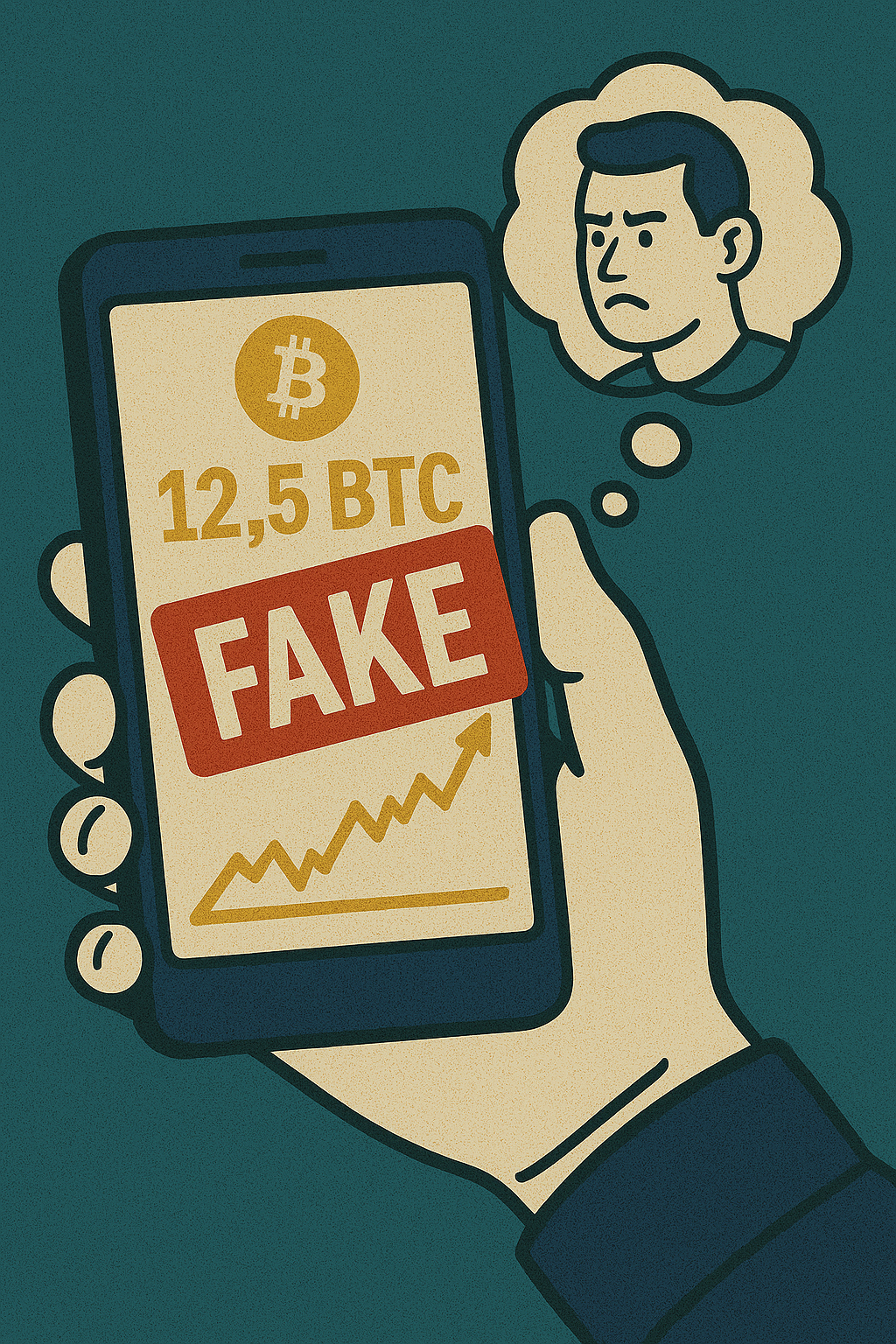
Fake crypto screenshots are images altered to misrepresent transactions, balances, or proof of payment. Spotting them matters: relying on visuals alone can cost you real funds. This guide walks through why fake screenshots are used, how scammers produce them, and the concrete verification and preservation steps that protect victims and support investigators. You’ll get practical checks — like validating TXIDs on blockchain explorers, inspecting EXIF and UI inconsistencies, and preserving chat logs — so you can verify authenticity fast, protect assets, and assemble evidence useful for reporting or legal action.
What Are Fake Crypto Screenshots and How Are They Used in Scams?
Fake crypto screenshots depict false blockchain activity, exchange interfaces, or wallet balances to convince targets that money was sent, received, or invested. Scammers exploit our trust in visual proof: a polished image can shortcut due diligence and push someone to act. The tactic’s power is psychological — it creates urgency and trust while hiding the absence of real on-chain records. Understanding how screenshots function in fraud helps you ask the right verification questions and avoid being persuaded by staged evidence.
How Do Scammers Create Fake Crypto Screenshots?
Attackers combine simple editing tools and increasingly capable AI to craft believable images, then add social pressure to make them persuasive. Typical methods include editing real screenshots in graphic programs, tweaking browser-displayed text with inspector tools, using exchange-template generators, and employing AI image tools to patch flaws. A common pattern: take a genuine UI, swap amounts and TXIDs, and send the edited image with a pressuring message. Knowing these techniques helps you spot telltale signs — mismatched fonts, copied UI blocks, or TXIDs that don’t resolve on-chain.
Which Crypto Platforms Are Commonly Targeted with Fake Screenshots?
Scammers mimic familiar exchange and wallet interfaces — especially large centralized exchanges and popular wallets — because users trust those designs. P2P marketplaces and escrow-free trades are particularly vulnerable since transactions often hinge on “proof of payment” images instead of on-chain confirmations. Attackers tailor screenshots to match specific platforms, so focusing your verification on platform identifiers — domain names, UI layout, and unique platform IDs — speeds detection.
How Can You Identify and Verify Fake Crypto Wallet and Trading Screenshots?

Verifying a crypto screenshot combines visual checks, metadata inspection, and on-chain validation to turn a claim into verifiable facts. The most reliable approach is extracting the transaction ID (TXID) and confirming sender, recipient, amount, and confirmations in a blockchain explorer — visuals alone don’t prove anything. EXIF and other metadata can reveal edits or missing capture details, and checking URLs and UI alignment helps spot cloned or cropped interfaces. Layering these checks increases confidence that an image matches a real transaction rather than a staged one.
Below is a quick comparison of common verification approaches, what they check, and how dependable they are — use it to prioritize your initial review.
| Verification Method | What It Checks | Practical Reliability |
|---|---|---|
| Transaction Hash (TXID) | On-chain transfer details: sender, recipient, amount, confirmations | High — definitive when the TXID is correct |
| Blockchain Explorer Lookup | Validates the TXID and shows timestamp and confirmation count | High — depends on choosing the right chain and explorer |
| URL / Domain Inspection | Confirms official exchange domain and secure indicators | Medium — visual clones can mimic domains |
| Image Metadata (EXIF) | Shows capture date, device, and possible edits | Medium — often removed by messaging apps |
| UI and Font Consistency | Detects mismatched fonts, spacing, or misplaced elements | Medium — fast heuristic for obvious edits |
In short: TXID and explorer checks are the strongest proof; visual and metadata checks are useful early filters to decide whether deeper validation is necessary.
What Are the Key Red Flags in Fake Crypto Proof of Payment Screenshots?
Certain visual and data inconsistencies should prompt immediate on-chain verification instead of trusting the image. Watch for missing or malformed TXIDs, cropped screenshots that hide context, fonts or spacing that don’t match verified UIs, and timestamps that don’t align with the claimed timeline. A TXID that returns “not found” on an explorer or a missing confirmation count are decisive signs the screenshot is fabricated or the transfer never happened. These red flags let you triage incoming proofs quickly and avoid acting on forged evidence.
Below are common, observable signs to watch for when evaluating a proof-of-payment image.
- Missing or Invalid TXID: No transaction hash, or one that fails to resolve on a blockchain explorer, is highly suspicious.
- UI Inconsistencies: Fonts, spacing, or button placement that differ from the genuine platform indicate editing.
- Cropped Context: Images that hide the URL bar, full timestamps, or surrounding chat are probably designed to conceal discrepancies.
Use these red flags as a quick triage: if any are present, extract identifiers and run an on-chain check before trusting the claim or transferring funds.
How to Verify Crypto Transactions Using Blockchain Explorers and Transaction Hashes?
Start by locating the TXID in the image or message and paste it into a reputable blockchain explorer for the relevant chain. The explorer will show sender and recipient addresses, the amount, confirmation count, and timestamp. If the TXID resolves, cross-check the addresses and amounts against the screenshot and any platform-specific details — consistent results support authenticity. If it doesn’t resolve, consider whether the claim uses a different chain (for example, a wrapped token on another network) and ask for the correct chain info. Always capture and archive the explorer output as part of your evidence, and when possible, check multiple explorers to guard against cached or manipulated displays.
Quick checklist for verifying a transaction:
- Extract the TXID from the screenshot or message.
- Paste the TXID into a blockchain explorer that supports the correct chain.
- Confirm sender, recipient, amount, and confirmations match the claimed details.
- Capture screenshots of the explorer result and note the date and time you checked.
Following these steps converts a visual claim into verifiable on-chain facts and creates an audit trail useful for reporting or legal review when discrepancies appear.
What Types of Crypto Scams Involve Fake Screenshots?
Fake screenshots appear across many scam types because they’re flexible evidence substitutes: they can show false profits, fake receipts, or counterfeit platform pages. Common uses include pig-butchering and romance schemes that display fabricated returns, P2P proof-of-payment scams where images replace on-chain receipts, and phishing attacks that mimic exchange UIs to steal credentials. Mapping each scam type to how screenshots are used helps victims and investigators decide which corroborating records to demand — chat logs, TXIDs, or official exchange statements.
The table below maps common scam types to the role screenshots play and the visual indicators to watch for.
| Scam Type | Screenshot Role | Typical Indicators |
|---|---|---|
| Pig butchering / Romance | Displays fabricated returns to coax larger investments | Repeated “profits,” staged UI, made-up TXIDs |
| P2P Proof-of-Payment | Claims to show payment to release goods or escrow | Cropped UI, missing confirmations, TXIDs that don’t resolve |
| Phishing / Fake Exchange UI | Copies login or transaction pages to capture credentials | URL mismatches, low-res UI, inconsistent branding |
Although the same screenshot tactics recur, the investigative response varies: romance scams need timeline correlation, P2P scams require fast on-chain checks, and phishing demands session and credential analysis.
How Do Pig Butchering and Romance Scams Use Fake Crypto Screenshots?
In pig-butchering and romance scams, staged screenshots build a fake investment history and show steady gains to earn trust and trigger bigger transfers. Scammers often start with small “wins” and escalate to larger fabricated balances or frequent trades. Counter this by insisting on on-chain TXIDs, requesting withdrawal proofs directly from platforms, and asking for independent exchange statements — fake screenshots rarely survive cross-referencing with platform logs. Spotting the pattern from small wins to large asks helps you cut off the scam earlier.
How Are Phishing and P2P Trading Scams Facilitated by Fake Screenshots?
In P2P and phishing scams, screenshots act as immediate social proof to speed transactions or lower suspicion. Phishing pages mimic legitimate UIs to steal login data; attackers then send fake confirmations while no actual transfer occurred. For P2P trades, always verify TXIDs on-chain before releasing assets. For credential-based flows, confirm the domain and session independently rather than trusting images. Fast verification and refusing to accept screenshots as sole proof are the best defenses.
How Should Victims Collect and Preserve Fake Crypto Screenshot Evidence?

Preserving evidence after spotting a suspected fake screenshot is vital for reporting and any legal action. Focus on saving original files, exporting full chat histories with timestamps, and capturing on-chain records. Immediate actions include saving the original image (avoid re-saving through messaging apps), exporting conversation threads, and documenting platform names and any claimed TXIDs. Keep redundant backups and a clear record of when and how evidence was collected to support chain-of-custody. Proper preservation turns scattered items into a usable evidence package for investigators or counsel.
The table below outlines common evidence types, recommended preservation actions, and why each item matters for investigations or litigation.
| Evidence Type | Preservation Action | Legal / Investigative Purpose |
|---|---|---|
| Screenshot image files | Save the original file; avoid re-saving via social apps | Preserves EXIF and original pixels for forensic review |
| Chat logs / messages | Export full threads with timestamps and participant IDs | Establishes a communication timeline and promises made |
| TXID and explorer snapshots | Capture explorer pages that show confirmations | Shows whether funds moved on-chain or not |
Following these steps helps you assemble evidence that preserves visual artifacts and the corroborating data investigators need for tracing and authentication.
What Are the Best Practices for Preserving Digital Evidence in Crypto Fraud Cases?
Prioritize the integrity of original files and document every step of collection to support authenticity and admissibility. Save images at full resolution, preserve EXIF when present, export chats directly from apps, and capture blockchain explorer pages showing TXIDs and confirmations. Where possible, create cryptographic hashes of files to prove integrity, store copies in multiple secure locations, and add notes about how each item was obtained. These steps increase evidentiary value and make it easier for forensic analysts to tell manipulated images from genuine on-chain records.
How to Document and Organize Fake Screenshot Evidence for Legal Claims?
A clear, structured evidence packet speeds legal and investigative review: include an index, consistent file naming, a narrative timeline, and annotated screenshots that point out inconsistencies. Use a naming convention like date_source_description, produce a chronological timeline linking chats, claimed TXIDs, and any explorer records, and annotate images to highlight what looks wrong. Prepare a concise intake summary that outlines what happened, key contacts, and estimated losses to help investigators triage the case. Well-organized evidence reduces friction during intake and improves the chances of coordinated cross-jurisdictional action.
Integration note: Net Business International, via forexbottomup.org, is a resource for people affected by crypto fraud and recommends the Digital Defenders Group (DDG) for assistance. Their services include targeted legal review, scam education, and practical recovery steps. If you need help preserving or organizing evidence, DDG can review your materials, advise on chain-of-custody, and suggest next steps to coordinate with investigators.
How to Report Fake Crypto Investment Screenshots and Seek Legal Assistance?
When reporting fake screenshots, contact the right authorities and supply a concise evidence packet: original images, chat logs, TXIDs, and a clear timeline. Investigators and legal teams typically need the same core items — on-chain records, full conversation exports, and preserved files — so preparing these before filing speeds action. Reporting avenues include national cybercrime units, internet crime complaint centers, and local law enforcement. Early legal consultation helps align reporting with preservation and asset-tracing strategies.
Which Authorities and Organizations Handle Crypto Scam Reports?
Different agencies handle aspects of crypto fraud depending on jurisdiction and case details. National internet crime complaint centers, local police, and international bodies each play roles. In the U.S., internet crime centers accept reports and may coordinate with federal investigators for cross-border matters; local police can document losses and assist with initial steps. International organizations help coordinate tracing and recovery when scammers operate across borders. When filing, include a timeline, preserved images, any TXIDs, and exported communications to help determine jurisdiction and next steps.
Select the appropriate agency based on your country and whether the fraud crosses borders. Consider these options:
- National internet crime complaint centers: Accept online complaints and can forward cases to relevant agencies.
- Local police: Take initial reports and document monetary loss for insurance or courts.
- International investigative bodies: Coordinate cross-border tracing and recovery when scammers act from other countries.
Giving the right authority a well-documented evidence packet speeds triage and helps establish whether criminal or civil remedies are appropriate.
How Does the Digital Defenders Group Assist Victims of Fake Crypto Screenshot Fraud?
The Digital Defenders Group (DDG) provides legal help focused on evidence review, asset-recovery strategy, and coordinating steps that align with investigative needs and cross-border challenges. DDG can intake preserved materials, assess the strength of on-chain and contextual evidence, and advise whether civil litigation, asset tracing, or coordination with law enforcement is the best route. Before consulting DDG, gather originals: screenshots, exported chats, TXIDs, and a concise timeline. Counsel can issue preservation letters and work with forensic analysts to authenticate or dissect manipulated images.
What Are the Legal Implications of Fake Crypto Screenshots in Fraud Cases?
Fake screenshots alone are weak legal proof without authentication and corroboration. Courts and investigators expect metadata, platform logs, and on-chain records to back up image evidence. Manipulated images often require expert forensic analysis to show tampering, and a documented chain-of-custody helps establish how evidence was collected. Legal remedies can include civil claims for damages, injunctions to freeze assets, and criminal referrals that trigger investigations; outcomes depend on jurisdiction, available evidence, and cooperation from platforms. Knowing these implications helps victims prioritize preservation and pursue the right legal steps.
How Are Fake Screenshots Used as Evidence in Civil Litigation and Asset Recovery?
Courts treat digital images cautiously and typically require authentication via metadata, expert testimony, and corroborating records like exchange statements or blockchain confirmations. A screenshot alone rarely carries a case; stronger claims pair annotated images with on-chain data, platform logs, and contemporaneous communications showing the scammer’s representations and the victim’s reliance. Experts can analyze pixels, EXIF data, and file hashes to testify about manipulation. When combined with solid on-chain evidence and preserved communications, screenshots can support asset tracing, civil claims, and requests for provisional relief.
What Steps Can Victims Take to Pursue Legal Claims Against Crypto Scammers?
Act quickly: preserve evidence, file reports with relevant authorities, and consult legal counsel to assess jurisdiction and remedies. Counsel will evaluate the evidence, recommend civil or criminal pathways, and may arrange forensic analysis or asset tracing. Expect to provide an organized evidence packet (index, timeline, original files); counsel will advise on likely outcomes and timelines without promising specific recovery. Taking these structured steps increases the chance of coordinated legal and investigative responses that might lead to recovery or deterrence.
Final note: Net Business International, through forexbottomup.org, serves as a resource for those affected by crypto fraud and partners with DDG for legal assistance. If you seek counsel, prepare a tidy evidence pack before your first intake to make the consultation more productive and to speed any follow-up investigative work.
Frequently Asked Questions
What are the common signs that a crypto screenshot is fake?
Look for missing or malformed transaction IDs (TXIDs), fonts or UI elements that don’t match the genuine platform, and cropped images that hide timestamps or URLs. If a TXID doesn’t resolve on a blockchain explorer or the confirmation count is missing or incorrect, those are strong indicators of manipulation. These red flags help you assess authenticity before making any financial decision.
How can I protect myself from falling for fake crypto screenshots?
Never rely solely on images. Verify claims on-chain using blockchain explorers to check TXIDs, sender and recipient addresses, and amounts. Be wary of unsolicited messages that create urgency. Learn common scam patterns, use secure communication channels, and pause to verify if something feels off.
What should I do if I suspect I’ve received a fake crypto screenshot?
Don’t act immediately. Verify the TXID in a blockchain explorer. If the transaction doesn’t exist or details don’t match, preserve the evidence and consider reporting the incident to the appropriate authorities. Save all communications and screenshots for potential legal review and consult organizations or counsel that specialize in crypto fraud.
Are there specific tools or resources to help verify crypto transactions?
Yes. Blockchain explorers such as Etherscan, Blockchair, and Blockchain.com let you paste TXIDs to view transaction details. Online communities and forums can offer practical advice on spotting scams, and some security tools detect phishing attempts. Use these resources to improve your verification process.
What legal actions can I take if I fall victim to a crypto scam?
Gather and preserve all evidence — screenshots, chat logs, and transaction details — then report the scam to local law enforcement and relevant cybercrime units. Consult a lawyer who specializes in crypto fraud to explore civil claims or asset-recovery options. Legal paths depend on jurisdiction and the quality of evidence; counsel can guide you through the process.
How can I educate myself further about crypto scams and protection measures?
Use online courses, reputable blogs, webinars, and industry newsletters to stay current. Follow trusted crypto news outlets and join community groups where members share real-world experiences. Continuous learning is the best defense against evolving scams.
Conclusion
Detecting and verifying fake crypto screenshots is essential to protect your funds and to build usable evidence when things go wrong. Use on-chain verification as your primary check, apply quick visual and metadata filters, and preserve original files and communications for reporting or legal review. Stay vigilant, keep learning, and reach out to trusted legal or investigative resources if you need help assembling evidence or pursuing recovery.
If you have been impacted by crypto fraud, contact Digital Defenders Group for assistance.
No responses yet