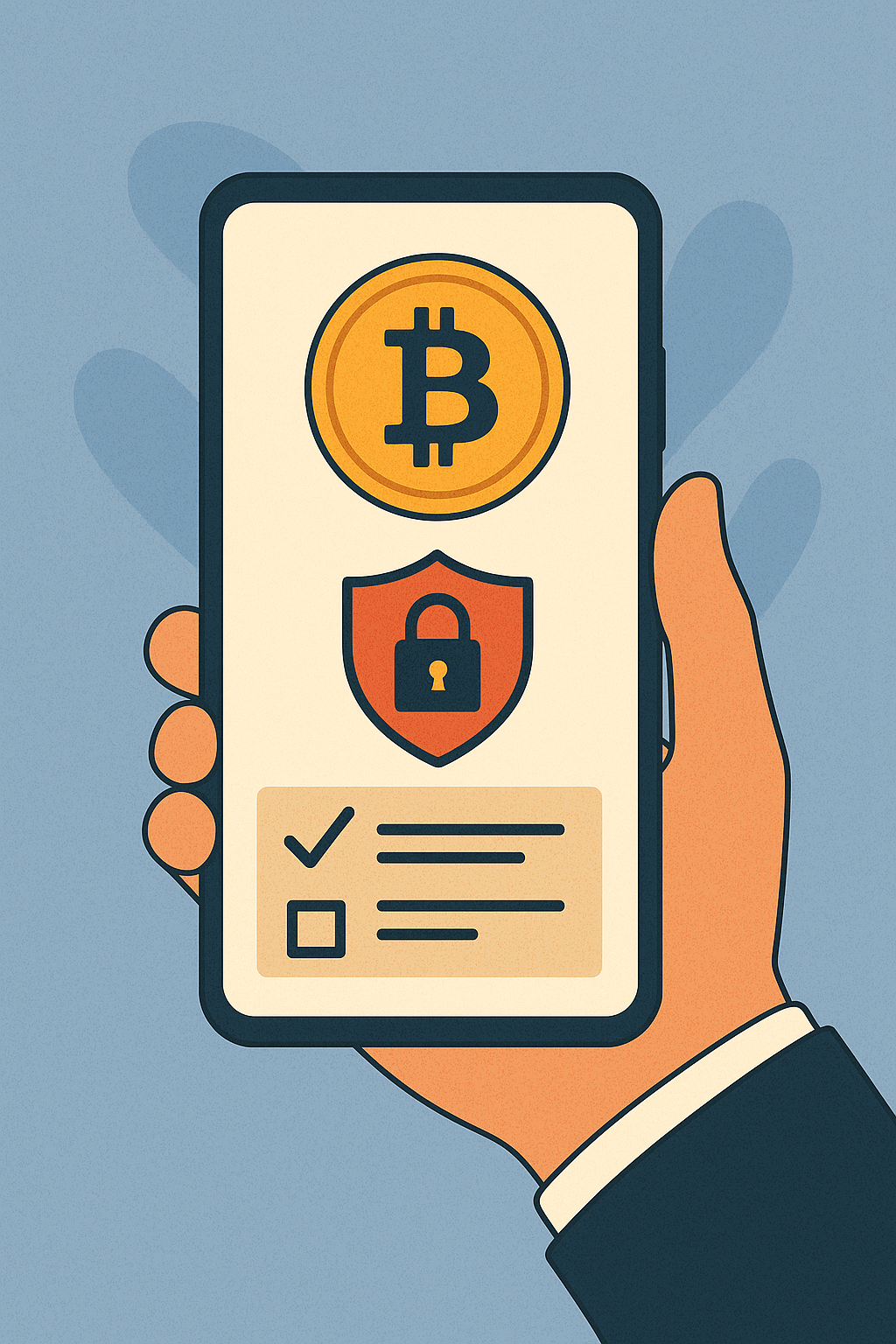
If you have been impacted by crypto fraud, contact Digital Defenders Group for assistance.

When investors ask which digital coin is “best,” the smart answer is: measure legitimacy, transparency and risk controls before chasing short-term gains. This guide explains why the safest crypto choices, including the best digital coin to invest in, have real utility, visible teams, audited code and sufficient liquidity — and how scammers exploit hype and complexity to take money. You’ll get a practical due diligence checklist, clear red flags for fake coins, and step-by-step actions to preserve evidence and pursue recovery if you’re targeted. We also review how government seizures can affect private recovery, current KYC/AML and forensics trends, and long-term habits to protect your holdings. The approach is victim-first: prevent losses where possible, and show realistic next steps when prevention fails. Continue for checklists, quick comparison tables and clear next actions you can use today.
CryptocurrencyInvestmentGuide: Due Diligence and Scam Prevention This guide argues that the safest crypto investments combine genuine utility, public governance, audited code and adequate market liquidity. It also explains common fraud tactics and gives a step-by-step due diligence checklist, red-flag indicators and practical recovery steps for victims. Investing in Cryptocurrencies and Digital Assets: A Guide to Understanding Technologies, Business Models, Due Diligence, and Valuation, KH Black, 2024
What Defines a Legitimate and Safe Digital Coin to Invest In?
A legitimate, lower-risk coin shows clear utility, transparent governance, verifiable code and market traits that reduce sudden losses. Utility creates durable demand, transparency lets outsiders verify claims, security audits cut exploitable bugs, and liquidity makes price manipulation harder. These elements work together: projects driven by real network value are less likely to be speculative traps. Below we break down the most important factors to check before you commit capital and offer a straightforward checklist to guide your screening.
What Key Factors Determine a Good Cryptocurrency?
A strong cryptocurrency combines credible technology, a defensible use case, transparent tokenomics, a verifiable team, independent security audits and enough liquidity for trading. Technology and utility answer “does this solve a real problem?” while tokenomics and supply controls shape incentives and long-term alignment. Team transparency means public bios, linked repositories and verifiable professional histories — all of which lower counterparty risk. Market signals like market cap and on-chain activity show adoption and make pump-and-dump attacks harder, which is why due diligence should check these indicators before you invest.
As a rule, prioritize projects with demonstrable utility and public technical validation. Those signals reduce asymmetric information and make it harder for fraudsters to sell an empty narrative.
Core due diligence checklist for early screening:
- Whitepaper clarity and a realistic roadmap.
- Public team bios with verifiable LinkedIn/GitHub traces.
- Independent security audits with published, accessible reports.
- Transparent tokenomics and clear vesting schedules.
- Visible liquidity on reputable exchanges and proof of locks.
- Active, moderated community channels without manufactured hype.
| Coin Type | Legitimacy Attribute | Indicator |
|---|---|---|
| Major network (blue-chip) | Decentralized development, large market cap | Ongoing mainnet activity and broad node/exchange support |
| Stablecoin | Clear peg mechanism, transparent reserves | Published reserve audits and redemption procedures |
| New token / DeFi project | Tokenomics and liquidity structure | Verified smart contract source, locked liquidity and vesting schedules |
How Can Due Diligence Protect Your Crypto Investments?

Due diligence turns marketing claims into verifiable facts: read the whitepaper critically, check contracts on block explorers and repos, confirm audit reports, and inspect token lockup and liquidity pool status. Practical steps include validating the audit firm, ensuring published source matches deployed bytecode, and using on-chain analytics to view token distribution and large holders. Social signals — active communities and steady developer commits — add context but aren’t proof on their own. Running these checks before you transfer funds reduces exposure to anonymous teams, fake audits and missing liquidity locks, and it makes spotting scam patterns much easier.
This checklist gives you an actionable starting point to screen coins for legitimacy before investing.
How Can You Identify and Avoid Common Crypto Investment Scams?
Spotting and avoiding common crypto scams starts with understanding how they work and recognizing repeatable patterns: urgency, secrecy and unverifiable claims. Scammers exploit emotions, ambiguous ownership and technical opacity; learning typical mechanics and red flags lets you interrupt their playbook early. The section below covers frequent scam types and a prioritized red-flag checklist so you can act before sending funds.
What Are the Most Common Types of Crypto Scams?
Frequent scams include fake ICOs, DeFi rug pulls, phishing and credential theft, romance-related cons that coerce transfers, and orchestrated pump-and-dump schemes. Fake ICOs often offer glossy roadmaps, anonymous teams and unverifiable audits; rug pulls happen when devs control liquidity and remove it abruptly; phishing relies on cloned sites and social engineering to steal keys. These scams often reach victims through social channels, dating apps or fake support messages — knowing these pathways helps you avoid them and escalate quickly when needed.
Anticipating attackers’ typical tactics is the foundation for the red-flag checklist that follows.
| Scam Type | Typical Red Flags | Common Recovery Options |
|---|---|---|
| Fake ICO / Token launch | Anonymous team, unrealistic roadmap, no audit | Report to exchanges, initiate forensic tracing, seek legal review |
| Rug pull / DeFi exit | No locked liquidity, developer wallet control | Alert liquidity providers, trace funds, consider civil claims |
| Phishing / Credential theft | Spoofed domains, unsolicited contact | Revoke approvals, report to platforms, begin forensic tracing |
What Red Flags Indicate a Fake Digital Coin Opportunity?
A short, prioritized list of red flags speeds decisions when vetting opportunities: promises of fixed or unrealistic returns, pressure to act now, anonymous teams, missing independent audits, unclear token distribution and no liquidity locks. Each flag has a simple verification step — request the audit report, inspect the token contract on a block explorer, confirm vesting schedules, and verify team identities off-platform. The more red flags you see, the higher the fraud probability; when several appear, exit the opportunity. These checks make on-the-spot vetting practical for non-technical users.
Top red flags to stop and verify:
- Guaranteed returns: Legitimate projects do not promise guaranteed profits.
- Urgency or pressure tactics: Time-limited private offers are suspicious.
- Anonymous teams: No verifiable professional history is a warning sign.
- No audits or unverifiable audits: Audit reports should be public and credible.
- Unusual tokenomics: Large founder allocations with no vesting are risky.
- Absence of locked liquidity: Removable liquidity signals rug risk.
- Spoofed or clone websites: Always confirm domain and contract addresses directly on-chain.
What Steps Should You Take If You’ve Been Scammed in Crypto?

If you’ve been scammed, quick, organized action preserves evidence and improves recovery odds. Begin by documenting transactions and communications, stop further transfers if possible, and report the incident to platforms and law enforcement while starting forensic tracing. These steps create a clear chain of custody and give exchanges or investigators the information they need to act. Below is a practical sequence of immediate actions plus a table linking tasks to likely contacts and expected timelines.
What Immediate Actions Help Recover Stolen Crypto?
Actions that materially help include preserving transaction records and messages, taking screenshots of addresses and approvals, reporting to the exchange or platform where the token traded, revoking compromised wallet approvals if you can, and hiring a blockchain forensics team to trace fund flows. Timing matters: early contact with exchanges and law enforcement can freeze withdrawals or identify on-ramps, while forensic work can link addresses to custodial services. Expect some remedies to be immediate (revoking approvals) and others to take weeks or months (forensic and legal work). These steps build the foundation for civil or criminal remedies.
- Document everything: Save transactions, messages and screenshots of receipts.
- Revoke approvals: Remove any smart-contract permissions tied to the compromise.
- Report to platform/exchange: Send your evidence and request withdrawal holds.
- Contact local law enforcement: File an incident report and get a case number.
- Engage forensic tracing: Start blockchain analysis to map where funds moved.
- Notify relevant regulators: File consumer fraud reports where applicable.
- Seek legal evaluation: Assess civil recovery and cross-border options.
| Action | Who to Contact | Expected Outcome / Timeframe |
|---|---|---|
| Document & preserve evidence | Yourself, wallet logs, screenshots | Immediate preservation of proof |
| Report to exchange/wallet provider | Exchange compliance / security teams | Possible freeze within hours to days |
| Engage forensic analysis | Blockchain analytics firms | Trace routes; may reveal custodial endpoints within weeks |
Specialist blockchain forensics is often essential to trace stolen funds and support legal action in modern crypto investigations.
BlockchainForensics: Recovering Funds and Investigating Crypto Frauds Blockchain forensics focuses on recovering assets and building evidence in crypto-related crimes. It combines transaction tracing, attribution and collaboration with custodians to support investigations and potential recovery. Blockchain and crypto forensics: Investigating crypto frauds, U Agarwal, 2024
How Does Legal Assistance from Digital Defenders Group Support Victims?
Digital Defenders Group (DDG) offers focused legal and forensic support: intake and case evaluation, interim asset recovery, cross-border coordination and advanced tracing. Their work links forensic chain-mapping to civil litigation and outreach to exchanges or custodians to seek freezes or returns. A typical engagement starts with evidence review, then forensic tracing, outreach to custodians and legal filings where warranted. Victims should expect fact-driven guidance that sets realistic recovery expectations and coordinates with law enforcement when criminal probes run in parallel.
How Do Government Seizures Affect Crypto Scam Victims and Asset Recovery?
Government seizures add a separate legal track that can help preserve assets but also complicate civil recovery if victims don’t coordinate claims. Agencies obtain court orders when probable cause exists; sometimes victims can present evidence that supports restitution. Understanding how seizures work helps victims protect civil remedies while cooperating with investigators. The sections below outline the seizure process and practical steps to navigate it effectively.
What Is the Process Behind Government Crypto Asset Seizures?
Seizures usually follow investigation, evidence collection, judicial authorization and custodial freezing of assets, often involving agencies like the FBI, DOJ, IRS, Europol or Interpol depending on jurisdiction. Investigators must tie proceeds to predicate offenses and obtain warrants or court orders that allow custodians — exchanges or custodial services — to freeze accounts. For victims, seizures can secure assets for later restitution but may delay civil recoveries if claims aren’t properly preserved. Knowing this flow helps you supply the right documentation and avoid procedural mistakes that slow restitution.
Common victim implications of seizures:
- Assets may be preserved but inaccessible while criminal proceedings continue.
- Victim restitution depends on prosecutor priorities and available evidence.
- Civil claims can run in parallel but require careful legal coordination.
These outcomes underscore why victims should keep detailed records and work with counsel experienced in multi-jurisdictional matters.
How Can Victims Navigate Government Seizures with Expert Help?
Victims should gather transaction histories, communications, wallet addresses, exchange account details and any KYC materials before contacting investigators or counsel so authorities can evaluate restitution claims quickly. Counsel with forensic expertise can file victim impact statements, protect civil claims and coordinate with prosecutors to request prioritized restitution or asset-preservation orders. In cross-border cases, specialist counsel translates on-chain evidence into admissible reports for foreign investigators and negotiates with custodians to limit asset dispersion. Early expert involvement improves the chance seized assets can be identified as proceeds linked to victims and preserved for recovery.
Collecting thorough documentation and working with a team that understands both analytics and legal process preserves options while law enforcement acts.
What Are the Emerging Trends in Crypto Security and Regulation?
Through 2024, regulators tightened KYC/AML requirements, forensic analytics became more widely used by private firms and governments, and scams grew more sophisticated with AI and deepfake tools. Regulators now press custodians and on-ramps for stronger controls, which raises accountability and can reduce some fraud vectors. At the same time, improved blockchain forensics and clustering methods make it easier to identify where illicit proceeds converge. These shifts change how investors assess risk and suggest concrete preventive and remedial practices worth adopting.
As enforcement capability improves, investors should favor compliance signals and transparency when evaluating projects and platforms.
How Are Regulations Like KYC and AML Shaping Crypto Safety?
KYC and AML rules increase the cost of fraud by linking on-ramps and custodial accounts to verified identities, which deters some illicit flows and raises the odds that traced funds reach identifiable entities. For investors, an exchange’s or project’s compliance posture — clear KYC/AML policies, demonstrated cooperation with regulators and transparent reserve reporting — is a useful proxy for operational legitimacy. That said, stronger KYC can reduce privacy and add onboarding friction. Evaluating compliance claims means checking public policies and past cooperation with investigations — practical signals when deciding where to transact or custody assets.
Balancing privacy and safety will help you choose custodial partners and exchanges that lower fraud exposure.
How Do Advanced Blockchain Forensics Improve Scam Detection?
Advanced forensics improves detection through clustering algorithms, taint analysis, address attribution and coordinated work with exchanges to identify where illicit proceeds pool. Analytics firms map transaction graphs to flag suspicious flows and package evidence for civil or criminal proceedings. These tools catch coordinated pump-and-dump activity earlier and reveal laundering patterns such as repeated mixer use. Forensics raises detection and recovery odds, but limitations remain when funds move through uncooperative custodians or privacy technologies; realistic expectations help victims set achievable recovery goals.
Converting on-chain patterns into admissible evidence is increasingly central to prevention and recovery as forensic tools mature.
The field of blockchain forensics continues to evolve, offering stronger methods for investigating crime and recovering stolen crypto.
BlockchainForensics: Investigating Cybercrime and Recovering Crypto Assets Blockchain forensics applies transaction tracing and attribution to build evidence in crypto-related crimes. As methods improve, investigators are better able to locate and recover funds from scams, hacks and fraud. Blockchain forensics: A modern approach to investigating cybercrime in the age of decentralisation, S Salisu, 2023
How Can You Build Long-Term Protection Against Crypto Investment Fraud?
Long-term protection comes from turning good habits into routine: steady due diligence, strict wallet hygiene, diversified custody and staying current on regulatory and security changes. These ongoing practices reduce exposure to new scam tactics and ensure you can respond effectively if an incident occurs. Practical periodic checklists and trusted information sources help maintain resilience. The sections that follow provide actionable routines and explain how ongoing vigilance and specialist coordination preserve your investment safety.
What Ongoing Practices Help Prevent Future Crypto Scams?
Useful daily and periodic habits include using hardware wallets for long-term holdings, enabling two-factor authentication, regularly reviewing smart-contract approvals and revoking unnecessary permissions, and treating unsolicited offers with skepticism. Financially, limit concentration in single projects, use reputable custody for large balances and test transfers with small amounts before moving larger sums. Community vetting — getting multiple independent confirmations about a project — reduces social-engineering risk. Layering these habits makes attacks harder and lowers reliance on any single control.
Periodic protection checklist:
- Weekly: Review active approvals and remove unused permissions.
- Monthly: Monitor token allocations and any large transfers in your holdings.
- Quarterly: Reassess custody strategy and run fresh due diligence on key positions.
- Annually: Update your threat model and refresh security tools and procedures.
How Can Staying Informed About Legal and Security Updates Protect Your Investments?
Proactive monitoring — subscribing to regulator announcements, following reputable analytics firms and security researchers, and setting alerts for projects you hold — helps you spot risks early. Interpreting legal changes requires understanding how new rules affect custody, disclosure and cross-border enforcement; for significant exposures, consult specialized counsel to translate regulatory shifts into action. If you’re a likely victim or hold high-value assets, an early specialist evaluation can clarify whether to pursue civil remedies or coordinate with investigators. Net Business International’s forexbottomup.org references Digital Defenders Group (DDG) as an example of a specialist that offers case evaluations and forensic coordination for victims seeking legal assessment.
When to seek professional evaluation:
- After any unrecognized transfer or suspicious approval is detected.
- If you suspect funds moved into centralized custodians.
- When cross-border transfers complicate recovery options.
- If you need coordinated forensic and legal action to pursue restitution.
This guide has covered legitimacy criteria, due diligence, scam mechanics, immediate recovery steps, government seizure interactions, emerging trends and long-term protections. For victims who want a formal case evaluation, Net Business International’s forexbottomup.org highlights Digital Defenders Group as a resource that combines forensic asset tracing with legal coordination to support recovery efforts.
Frequently Asked Questions
What should I do if I suspect a cryptocurrency investment is a scam?
If you suspect a crypto investment is a scam, act immediately. Save all communications and transaction records, report the issue to the platform or exchange involved and consider filing a police report. Hiring a blockchain forensics team can help trace funds and build evidence for recovery. Early action preserves critical data and improves the chances of reversing or tracing stolen assets.
How can I stay updated on cryptocurrency regulations and security trends?
Keep informed by subscribing to reputable industry news, following regulators and respected analytics or security firms, and setting alerts for projects you own. Attend webinars and read trusted research to understand emerging risks. Regularly reviewing these sources helps you adjust strategy and spot threats before they escalate.
What are the signs that a cryptocurrency project is legitimate?
Signs of a legitimate project include transparent governance, a clear and useful use case, verifiable team members, published whitepapers, independent security audits and active, constructive community engagement. Projects that provide clear tokenomics and liquidity data are easier to evaluate and generally pose lower information risk. Always verify claims independently before investing.
How can I protect my cryptocurrency investments from future scams?
Protect your crypto by using hardware wallets for long-term holdings, enabling two-factor authentication, regularly auditing account permissions and keeping a skeptical view of unsolicited offers. Diversify custody for larger balances, limit exposure to single projects and test transfers with small amounts. These habits reduce operational risk and make scams less effective.
What role does blockchain forensics play in recovering stolen crypto?
Blockchain forensics traces how stolen funds move across addresses and networks, links addresses to custodial services, and packages evidence for exchanges and law enforcement. Forensic reports are often essential for recovery or legal action. Engaging a forensic team early improves the likelihood of meaningful tracing and possible recovery.
What are the potential consequences of government seizures for scam victims?
Government seizures can protect assets during criminal investigations but may limit access while cases proceed. Victims who haven’t coordinated their civil claims with investigators can face delays in restitution. Maintaining detailed documentation and engaging counsel early helps align civil recovery with criminal processes and improves the chances of restitution.
How can I evaluate the credibility of a cryptocurrency exchange?
Assess an exchange by reviewing its regulatory posture, KYC/AML policies, security features, user feedback and history of cooperation with investigations. Look for two-factor authentication, cold-storage practices and independent audits. An exchange’s response to past incidents is a good indicator of operational reliability and willingness to protect customers.
Conclusion
Safe crypto investing starts with careful screening: prioritize transparency, real utility and verifiable teams over promises of quick gains. A disciplined due diligence routine and awareness of common scam patterns dramatically reduce your risk. If you are targeted, prompt documentation and specialist support improve recovery chances. Stay vigilant, follow the checklists in this guide and seek expert help when needed to protect your assets.
If you have been impacted by crypto fraud, contact Digital Defenders Group for assistance.
No responses yet