Identifying and Avoiding Gold Coin Scams
Stay informed and protect your investments from gold coin scams with our expert tips. Learn to identify[…]

Wealth Group Crypto: A Comprehensive Review
Explore the Wealth Group Crypto review to discover its standout features, innovative tools, and how it benefits[…]
what can i do to secure my crypto
In today’s digital world, cryptocurrencies have emerged as a revolutionary form of currency. However, with their rise in popularity, the risk of theft and hacking has also increased. If you’re wondering, “What can I do to secure my crypto?” you’re not alone. This guide will provide you with essential strategies to protect your digital assets. Before diving into protection strategies, it’s crucial to understand the risks associated with holding cryptocurrencies. Unlike traditional banking systems, cryptocurrencies operate on a decentralized network, making them susceptible to cyberattacks, phishing scams, and human error. The Decentralized Nature of Cryptocurrencies Decentralization is a cornerstone of blockchain technology, eliminating the need for central authority. While this offers increased privacy and control, it also places the onus of security on individual users. Without a central entity to oversee transactions, the responsibility to secure digital wallets and assets falls squarely on the owner. The lack of a centralized oversight body means that if your crypto is stolen, there’s no institution to help recover it. This autonomy is empowering but comes with significant risks. Users must be vigilant and informed, as each transaction is irreversible once processed on the blockchain. Cyberattack Vulnerabilities Cryptocurrency exchanges and wallets are prime targets for cybercriminals. Unlike banks, which have sophisticated security protocols and insurance, exchanges might lack robust defenses. Once a hacker gains access, they can potentially siphon off vast amounts of digital currency. Phishing scams are prevalent, where attackers pose as legitimate entities to trick users into divulging sensitive information. These scams are increasingly sophisticated, employing fake websites and emails that closely mimic real services to deceive even the most cautious users. The Human Element Human error remains one of the biggest risks in cryptocurrency management. Forgetting a private key or sending funds to an incorrect address can result in permanent loss. Unlike forgotten passwords in traditional banking, there’s no “forgot password” option in crypto; losing your private key means losing access to your assets forever. Best Practices for Securing Your Crypto Now that you’re aware of the risks, let’s explore how you can protect your crypto assets effectively. Use a Hardware Wallet One of the safest ways to store your cryptocurrencies is by using a hardware wallet. These physical devices store your private keys offline, making them immune to online hacks. Popular hardware wallets include Ledger Nano S and Trezor. Hardware wallets provide a physical barrier against cyber threats. By keeping your private keys offline, they drastically reduce the chances of being hacked. These devices are easy to use and come with user-friendly interfaces, making them accessible even for beginners. Despite their security benefits, hardware wallets require careful handling. Losing the device or forgetting the PIN can lead to losing access to your funds. It’s crucial to back up your recovery phrase and store it in a safe location. Enable Two-Factor Authentication (2FA)[…]
Is Forex Trading a Legitimate Investment?
Is forex trading legit? Discover the truth about forex's legitimacy, how to spot scams, and tips for[…]

Top Telegram Groups for Cryptocurrency Enthusiasts
Cryptocurrency has become a hot topic in recent years, and for good reason. It represents a new frontier in the financial world, offering decentralized and secure transactions. With the rise of digital currencies, individuals across the globe are eager to explore this new financial landscape. If you’re diving into the world of crypto, one of the best ways to stay informed and engaged is by joining Telegram groups dedicated to cryptocurrency. In this article, we’ll explore some of the best crypto groups on Telegram, where enthusiasts, traders, and beginners can gather to share information, tips, and the latest news. Stay Updated Staying updated in the fast-paced world of cryptocurrency is crucial. Telegram groups provide a direct line to real-time news and updates. Members can quickly learn about market fluctuations, regulatory changes, and technological advancements. Having access to this information allows you to make timely decisions, whether you’re trading or investing in digital assets. Learn from Others Learning from others is one of the most valuable aspects of being part of a Telegram group. These groups are often populated by seasoned traders and crypto experts who are willing to share their knowledge. Engaging with these individuals can provide you with strategies and insights that might take years to learn on your own. It’s a collaborative environment where questions are encouraged, and learning is continuous. Share Ideas Exchanging ideas and opinions with like-minded individuals can be incredibly enriching. Telegram groups offer a platform where members can discuss new projects, debate the merits of different cryptocurrencies, and share their visions for the future of digital finance. This collaborative environment fosters innovation and can lead to the discovery of new opportunities within the crypto space. Get Support Navigating the complexities of cryptocurrency can be daunting, especially for newcomers. Telegram groups are a valuable resource for finding answers to your questions and troubleshooting common issues. Members often share personal experiences and solutions, creating a support network that can help you overcome challenges and grow your understanding of the crypto world. Best Crypto Groups on Telegram 1. Crypto Traders Hub Crypto Traders Hub is a dynamic community that caters to both beginners and experienced traders. This group focuses on providing trading signals, market analysis, and educational content to help members make informed trading decisions. With a strong emphasis on community interaction, Crypto Traders Hub encourages members to share their insights and strategies. Trading Signals and Analysis The group offers a wealth of trading signals and in-depth market analysis. Members can access real-time updates on price movements and trends, allowing them to make strategic trading decisions. The signals provided by experienced traders can serve as valuable guides for both novice and seasoned investors. Educational Content Beyond trading signals, Crypto Traders Hub is committed to education. The group regularly shares articles, webinars, and tutorials that cover a wide range of topics. From understanding blockchain technology to mastering technical analysis, the educational content is designed to empower members with the knowledge needed to succeed. Community Interaction[…]
Understanding Crypto Verification: A Comprehensive Guide
Navigating the world of cryptocurrencies can be daunting, especially when it comes to ensuring the legitimacy and security of your digital assets. In this guide, we will demystify the process of crypto verification, explaining why it’s essential and how you can effectively verify crypto transactions. Whether you are a seasoned investor or a beginner, understanding crypto verification is crucial in today’s digital economy. Crypto verification refers to the process of confirming transactions and ensuring that the digital assets are authentic and secure. This involves various methods and technologies designed to protect both the sender and the recipient in a transaction. Verification provides a layer of security that helps prevent fraud and ensures the integrity of the cryptocurrency network. The Basics of Crypto Verification Understanding the basic principles of crypto verification is the first step towards securing your digital assets. At its core, verification is about ensuring that every transaction is legitimate and that the parties involved are trustworthy. This is achieved through a series of checks and balances that are built into the cryptocurrency system, providing a transparent and secure method of transaction processing. Technological Foundations The technology behind crypto verification includes cryptographic algorithms and decentralized ledger systems. These technologies work together to create a secure environment where transactions can occur without the need for a centralized authority. By leveraging these technologies, cryptocurrencies can offer a level of security that is unmatched by traditional financial systems. Security Measures Crypto verification employs a variety of security measures to protect users and their assets. These measures include encryption, digital signatures, and multi-signature wallets. Each of these security measures plays a crucial role in ensuring that transactions are secure and that digital assets are protected from unauthorized access or tampering. Why is Crypto Verification Important? The importance of crypto verification cannot be overstated. In the digital realm, where anonymity is a significant feature, verification serves as a safeguard against fraudulent activities. It ensures that the transactions are legitimate and that the digital assets being transferred are not counterfeit or tampered with. Protecting Against Fraud Crypto verification is essential for protecting against fraud and ensuring that all transactions are legitimate. This is particularly important in a digital environment where malicious actors can exploit vulnerabilities to steal assets. By implementing robust verification processes, the likelihood of fraudulent activities is significantly reduced. Ensuring Transaction Integrity Verification is crucial for maintaining the integrity of transactions within the cryptocurrency network. It ensures that each transaction is properly recorded and that the assets being transferred are genuine. This helps build trust among users and contributes to the overall stability of the cryptocurrency ecosystem. Building Trust in Digital Transactions For cryptocurrencies to gain widespread adoption, trust in digital transactions is paramount. Verification processes play a vital role in building this trust by providing a secure framework for transactions. This assurance encourages more individuals and businesses to engage with cryptocurrencies, promoting their growth and acceptance. How Does Crypto Verification Work?[…]
Effective Strategies for Wire Fraud Prevention
Protect your transactions with these wire fraud prevention strategies. Learn how to guard against real estate wire[…]
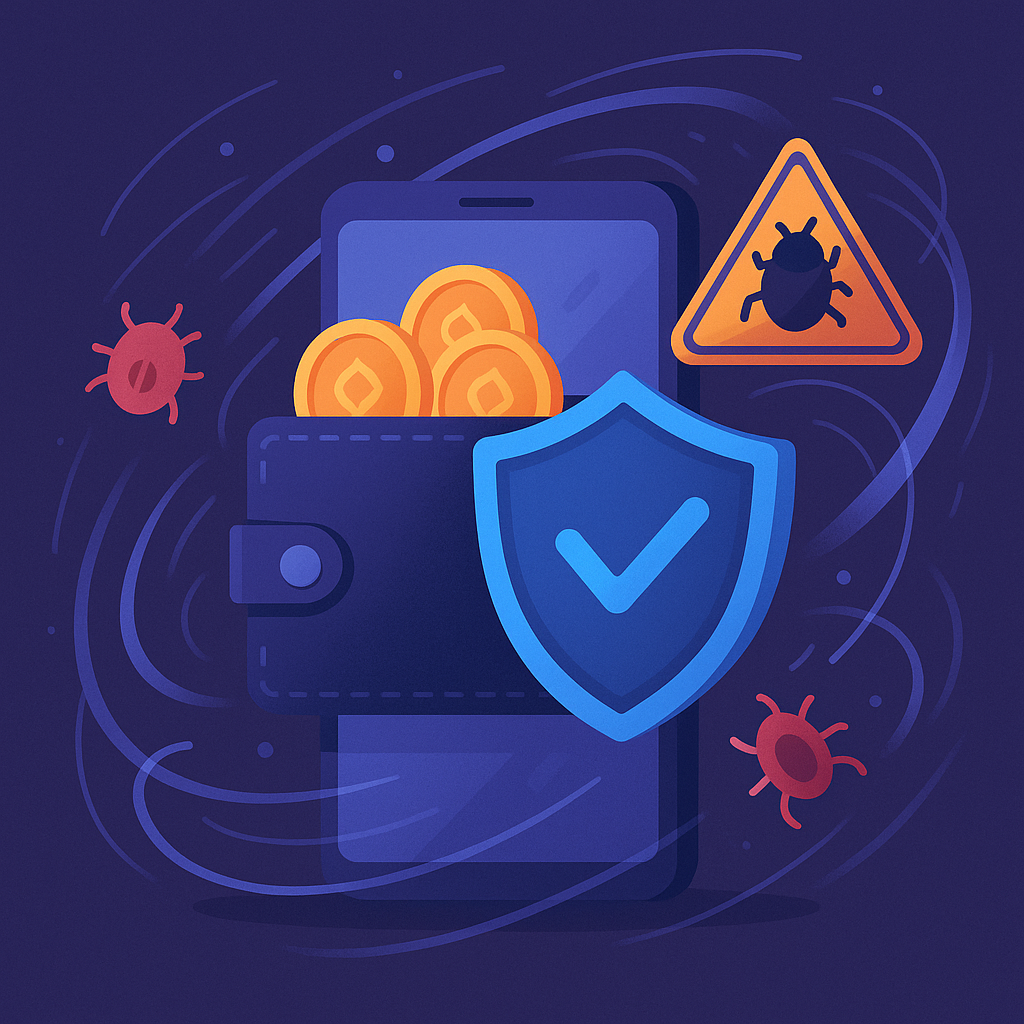
Protecting Yourself from DeFi Wallet Scams
DeFi wallet scams are fraudulent schemes designed to steal cryptocurrency from investors. These scams can take various forms, and they often prey on the lack of knowledge that new users have about the crypto space. To protect yourself, it’s essential to be aware of the common types of scams and how they operate. The Anatomy of a DeFi Wallet Scam To understand DeFi wallet scams, it’s crucial to comprehend their underlying structure. Scammers often exploit the decentralized and somewhat anonymous nature of cryptocurrencies. By leveraging these characteristics, they can create elaborate schemes that appear legitimate on the surface but are designed to siphon off funds from unsuspecting users. Recognizing the intricate details of these scams can help you avoid falling prey to them. Why DeFi Wallets Are Targeted DeFi wallets are a prime target for scammers due to the high value of cryptocurrencies stored in them. Unlike traditional bank accounts, DeFi wallets can hold significant sums of money, making them attractive targets. Furthermore, the irreversible nature of blockchain transactions means that once funds are stolen, they are nearly impossible to recover. This makes it all the more critical for users to be vigilant and informed. The Role of Social Engineering in Scams Social engineering is a key tactic used in DeFi wallet scams. Scammers manipulate individuals into divulging confidential information by building trust or creating a sense of urgency. This psychological manipulation often leads to users willingly handing over private keys or seed phrases, which are then used to access and steal funds. Understanding these tactics can help users recognize and resist manipulation attempts. Common Types of DeFi Wallet Scams Phishing Attacks: The Art of Deception Phishing attacks are one of the most prevalent forms of DeFi wallet scams. Scammers create fake websites or emails that closely resemble legitimate DeFi platforms. They employ sophisticated techniques to mimic branding, layout, and domain names, tricking users into entering their wallet information. Once the scammers have this information, they can access and drain the user’s funds. It’s vital to scrutinize URLs and verify the authenticity of communications to avoid falling victim to these attacks. Fake Wallet Apps: A Trojan Horse Fraudsters often develop counterfeit wallet applications that appear authentic but are designed to steal private keys or seed phrases. These fake apps are distributed through unofficial app stores or malicious links. Once installed, they operate like legitimate wallets but secretly transmit sensitive information to the scammers. To protect yourself, only download wallet apps from official sources and verify the developer’s credentials. Ponzi Schemes: The Illusion of Profit Ponzi schemes lure investors with promises of high returns, using funds from new investors to pay off earlier ones. These schemes create an illusion of profitability, enticing more people to invest. However, when the influx of new investments slows, the scheme collapses, leaving most participants with significant losses. The key to avoiding Ponzi schemes is skepticism towards any investment opportunity that promises guaranteed returns with little to no risk. DeFi Smart Mining Scams: A False Promise Scammers often tout DeFi smart mining as a way to earn effortless profits. They claim to offer advanced mining services that guarantee high returns. However, legitimate mining operations require substantial infrastructure and energy. Any service promising easy returns with minimal effort should be regarded with suspicion. Conduct thorough research and seek expert opinions before investing in such schemes. Is DeFi Smart Mining Real or Fake?[…]

Evaluating the Legitimacy of ETH Airdrops
Discover how to evaluate the legitimacy of ETH airdrops and avoid scams. Learn key tips for verifying[…]
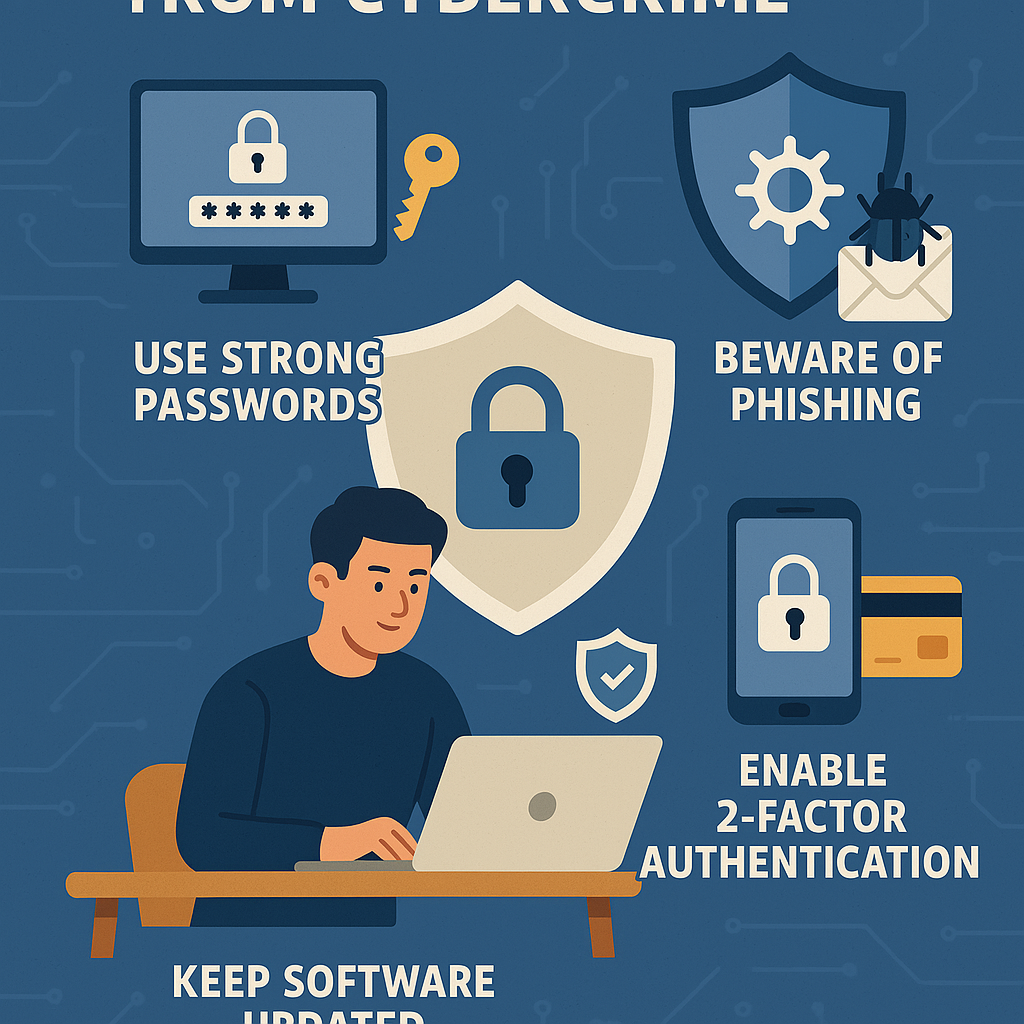
How to Protect Yourself from Cybercrime
How to protect yourself from cybercrime with this comprehensive guide. Learn practical steps to safeguard personal information[…]